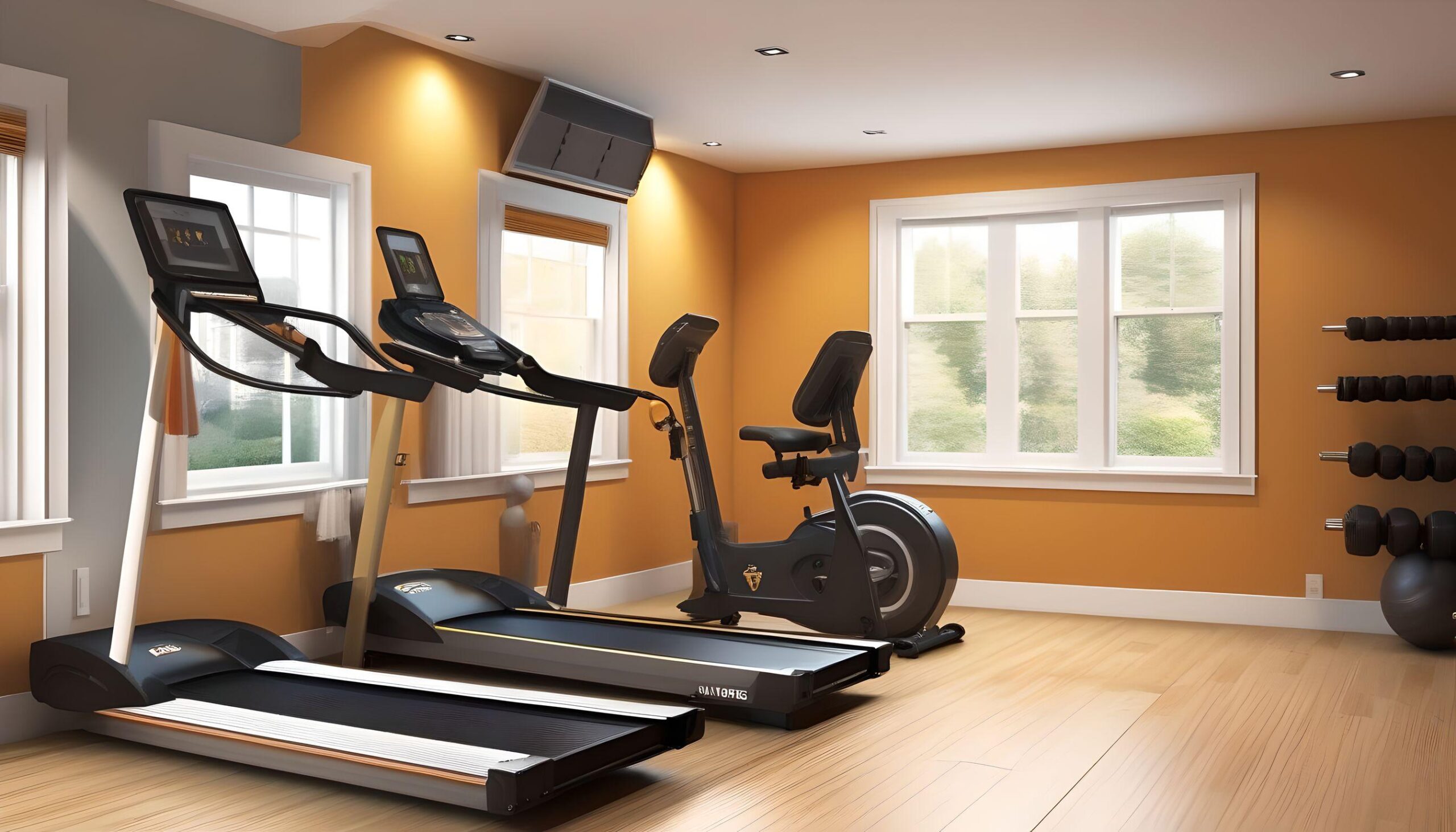
When it comes to staying fit, the idea of a home gym is a dream for many. However, not everyone has the luxury of a spacious room or basement to dedicate to fitness. Whether you live in a small apartment or have limited space in your home, there are still plenty of creative ways to create an effective home gym in small spaces and garden rooms. In this blog, we’ll explore practical home gym ideas that fit into small areas and garden rooms, helping you stay motivated and fit, no matter how limited your space might be.

1. Maximize Vertical Space for Storage and Equipment
One of the key challenges of designing a home gym in a small space is fitting in all the necessary equipment. The secret to making the most of limited space is to look upwards. Install shelves, wall-mounted racks, or hooks to store your workout gear, such as dumbbells, resistance bands, kettlebells, and yoga mats. This will clear up the floor space, leaving room for exercise while keeping your gear neatly organized.
Tip: Consider foldable equipment like wall-mounted pull-up bars or a foldable treadmill, which you can easily store when not in use.
2. Turn Your Garden Room into a Fitness Haven
A garden room or a backyard shed can be a perfect space to transform into a home gym. With natural light, fresh air, and a bit of privacy, garden rooms provide a relaxing atmosphere for workouts. You can equip your garden room with a yoga mat, a set of dumbbells, a jump rope, and resistance bands for bodyweight exercises, strength training, or even outdoor HIIT workouts. The fresh air can improve your mood and performance while giving you a break from the usual indoor routine.
Tip: If the weather is a concern, consider installing windows or even small heaters for year-round usability, ensuring your garden gym remains comfortable during colder months.
3. Focus on Functional Fitness Equipment
When space is tight, choosing compact and functional workout equipment is key. Rather than investing in large machines like treadmills or ellipticals, focus on versatile and space-saving tools. Some great options include:
- Dumbbells and Kettlebells: Both are excellent for strength training and can be used for a wide variety of exercises without taking up much space.
- Resistance Bands: These lightweight bands are great for toning muscles, and they can be easily stored in a drawer when not in use.
- Suspension Trainers: Tools like TRX allow you to do full-body workouts by using your own body weight. These systems can be anchored to a wall or door frame.
Tip: Choose equipment that allows you to target multiple muscle groups with minimal space usage. For example, a set of dumbbells can be used for squats, lunges, presses, and rows.
4. Create a Multifunctional Space
Small spaces often need to serve multiple purposes. If you don’t have a dedicated room for a gym, you can still set up a workout area in your living room, bedroom, or even a corner of your kitchen. Using multifunctional furniture can also help you maximize your space. Look for pieces that can double as storage and workout equipment, such as ottomans that can hold weights or benches that can be used for exercises and as seating.
Tip: Consider using folding or modular furniture, like folding exercise mats or chairs that can be easily stowed away when not in use, freeing up space for other activities.
5. Set Up a Home Yoga or Pilates Corner
Yoga and Pilates require very little equipment and are perfect for small spaces. All you need is a yoga mat, a set of resistance bands, and perhaps a few blocks for support. These exercises not only improve flexibility and strength but also help reduce stress, making them perfect for any home gym setup. Dedicate a quiet corner of your home or garden room to yoga or Pilates practice. Adding calming elements such as plants, essential oils, or a Bluetooth speaker can help create a peaceful ambiance that promotes relaxation.
Tip: Invest in a foldable yoga mat or a mat with a compact storage solution, so you can easily roll it up and tuck it away when you’re done.
6. Utilize Mirrors to Enhance the Space
Mirrors are a great way to make a small space feel larger and brighter. They also help you monitor your form during workouts, ensuring you perform exercises correctly. Adding one or two full-length mirrors to your home gym can help create the illusion of a bigger room, making the space more enjoyable to work out in. Mirrors also help with motivation, as you can see the progress you’re making.
Tip: If you’re working out in a garden room with limited natural light, consider adding mirrors opposite windows to bounce the light around the room.
7. Smart Home Gym Tech
For those looking to upgrade their workout experience, integrating technology into your home gym is a great idea. Fitness apps, streaming services, and online workout programs can make it easy to follow workout plans at home. For a more immersive experience, invest in smart equipment like a Bluetooth-connected rowing machine or a smart jump rope, both of which can track your progress and sync with your devices.
Tip: Many apps provide on-demand classes for yoga, HIIT, pilates, and strength training, so you don’t need to leave the comfort of your home gym to access professional training.
8. Create an Organized, Motivating Atmosphere
A well-organized home gym can significantly improve your motivation. Decluttering the space and ensuring your equipment is easy to access can make your workouts feel less like a hassle. Personalize the room with inspiring quotes, motivational posters, or a vision board to remind you of your fitness goals. The more inviting your space feels, the more likely you are to stick with your routine.
Tip: Keep a basket or container for smaller items like resistance bands, dumbbells, and jump ropes. The easier it is to find and use your gear, the more likely you’ll stay consistent.
9. Consider Outdoor Fitness for Larger Spaces
If you’re fortunate enough to have a larger garden or backyard space, use the outdoors for your workouts. You can create an outdoor fitness zone by setting up a small, portable gym with resistance bands, a kettlebell, and a yoga mat. The outdoor atmosphere can provide a refreshing change of pace, and with proper weather protection, you can work out comfortably year-round.
Tip: A garden room can act as the perfect indoor-outdoor gym, allowing you to open windows or doors to bring in the fresh air, while providing shelter from rain or excessive sun.
Great topic—this one’s super useful for people with limited space. 🏡💪 Here are 10 clear, SEO-friendly FAQs for Home Gym Ideas for Small Spaces and Garden Rooms:
1. What is a home gym for small spaces?
A home gym for small spaces is a compact workout setup designed to fit into limited areas like a bedroom corner, balcony, or small room, using space-saving equipment and smart storage.
2. How much space do I need to set up a small home gym?
You can create an effective home gym in as little as 20–40 square feet by using foldable equipment, wall-mounted racks, and multifunctional fitness tools.
3. What equipment is best for a small home gym?
Adjustable dumbbells, resistance bands, a yoga mat, kettlebells, and foldable benches are great choices because they take up little space and offer many exercise options.
4. Can I build a home gym in a garden room?
Yes, garden rooms are excellent for home gyms. They provide a dedicated workout space, better ventilation, and room for both cardio and strength equipment, depending on the size.
5. How do I make a small home gym look less cluttered?
Use wall storage, shelves, hooks, and storage boxes. Choosing compact, foldable equipment and keeping only essentials helps maintain a clean and organized look.
6. Is it expensive to set up a home gym in a small space?
Not necessarily. You can start with a low budget using basic equipment like resistance bands and bodyweight tools, then upgrade gradually as your fitness needs grow.
7. What flooring is best for a small home gym or garden room?
Rubber gym mats, interlocking foam tiles, or yoga mats are ideal because they protect the floor, reduce noise, and provide a safe, non-slip workout surface.
8. Can I do full-body workouts in a small home gym?
Yes, with smart equipment choices like resistance bands, adjustable dumbbells, and bodyweight exercises, you can easily train your entire body in a small space.
9. How do I keep my home gym cool and ventilated?
Use windows, fans, or a small air conditioner, especially in garden rooms. Good ventilation helps keep the space comfortable and prevents moisture buildup.
10. What are the benefits of a small home or garden room gym?
A compact home gym saves time, offers privacy, reduces long-term gym costs, and makes it easier to stay consistent with your fitness routine.
Conclusion
Creating a home gym in small spaces or garden rooms doesn’t have to be complicated or expensive. By focusing on smart design choices, multifunctional furniture, compact fitness equipment, and efficient use of space, you can transform even the smallest of areas into an effective and inspiring fitness environment. Whether you’re working out in a cozy indoor corner or a serene garden room, the key to success is consistency, creativity, and making your space your own.
Start with a few of these tips today, and take the first step toward building your dream home gym!
For more tips on health and fitness, visit Top Health Coach – your go-to resource for achieving your wellness goals.