What Is Nipah Virus? Causes, Symptoms, Spread, and Prevention Explained
In recent years, infectious diseases have become a major global concern. One such disease that has drawn serious attention is the Nipah virus. Many people search online asking what is Nipah virus, how dangerous it is, and how they can stay safe.
This blog explains what is Nipah virus, how it spreads, common symptoms, why outbreaks happen, and what steps can help prevent infection.
What Is Nipah Virus?
What is Nipah virus?
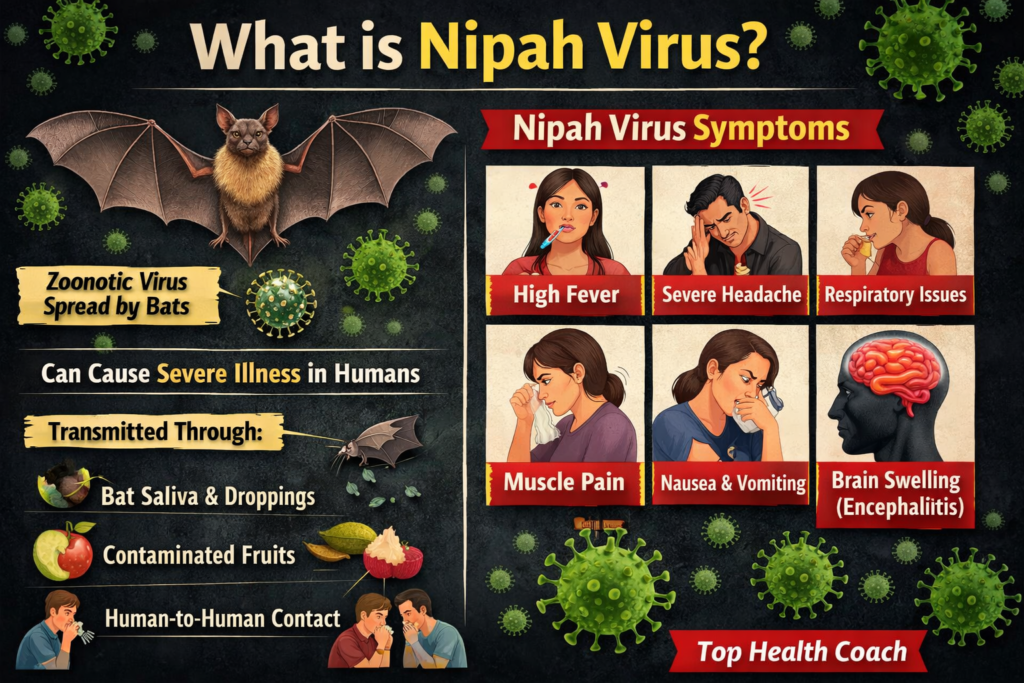
The Nipah virus is a rare but deadly virus that spreads from animals to humans and can also spread between people. It belongs to the Henipavirus family and is naturally carried by fruit bats, also known as flying foxes.
Humans usually become infected through contact with infected animals, contaminated food, or close contact with an infected person.
Why Is Nipah Virus Dangerous?
The Nipah virus is considered highly dangerous because:
- It can cause severe brain infection (encephalitis)
- It can spread from human to human
- It has a high death rate
- There is no specific cure or vaccine yet
Because of these reasons, health authorities treat every Nipah case as a serious emergency.
History of Nipah Virus
The first known Nipah virus outbreak occurred in 1998–1999. Since then, several outbreaks have been reported in different parts of Asia. These outbreaks highlighted the need for early detection and public awareness.
How Does Nipah Virus Spread?
Understanding how the virus spreads is key to prevention.
Common ways Nipah virus spreads:
- Direct contact with fruit bats
- Eating fruits contaminated by bat saliva or urine
- Contact with infected animals
- Close contact with infected humans
Human-to-human transmission often happens in hospitals or households.
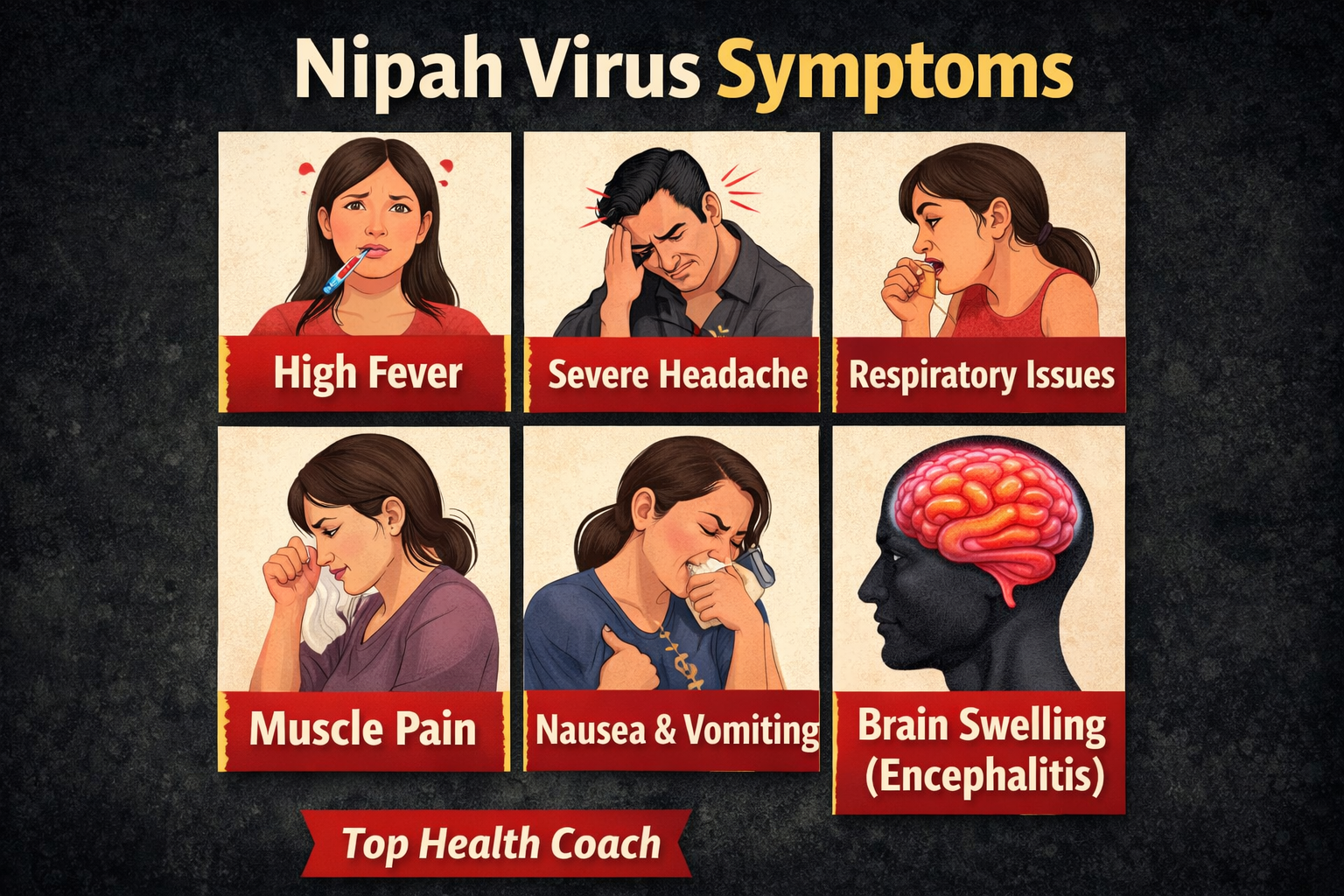
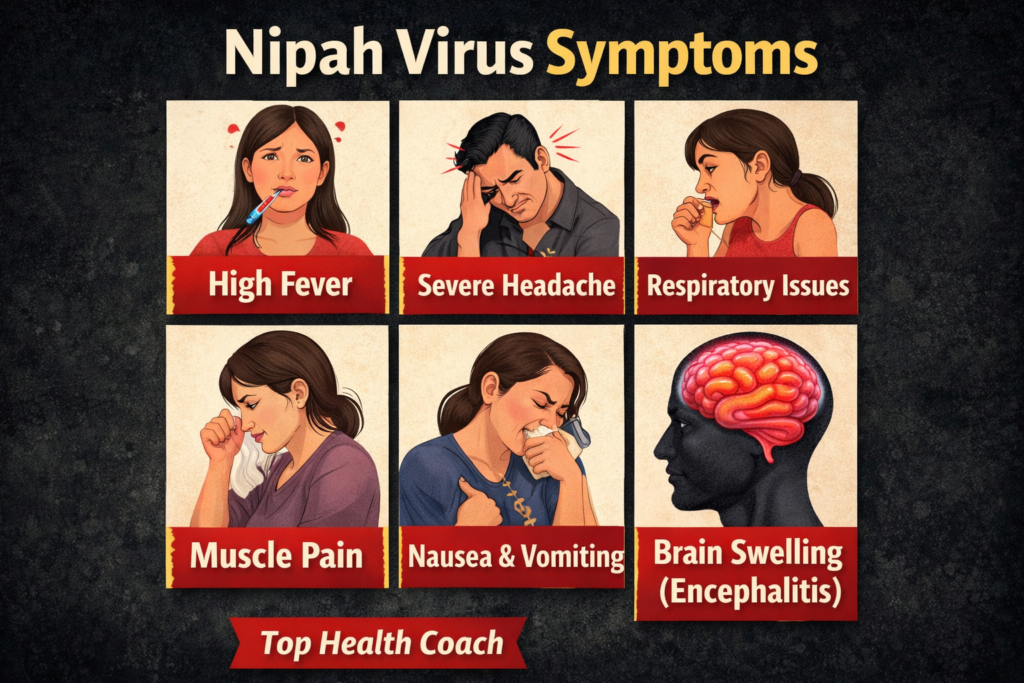
What Are the Symptoms of Nipah Virus?
Symptoms can appear within a few days to two weeks after infection.
Early symptoms include:
- Fever
- Headache
- Muscle pain
- Weakness
- Vomiting
Severe symptoms may include:
- Confusion and disorientation
- Difficulty breathing
- Seizures
- Brain inflammation
- Loss of consciousness
Symptoms can worsen very quickly, making early medical care critical.
How Nipah Virus Affects the Brain
One of the most serious effects of the Nipah virus is inflammation of the brain, known as encephalitis. This can cause:
- Memory loss
- Confusion
- Loss of balance
- Coma
Brain involvement is the main reason Nipah virus infections can be fatal.
Who Is Most at Risk?
People at higher risk include:
- Healthcare workers
- Family members caring for infected patients
- People living near bat habitats
- Individuals consuming unwashed or raw fruits
Awareness of what is Nipah virus helps reduce risk.
How Is Nipah Virus Diagnosed?
Doctors diagnose the infection using:
- Blood tests
- Throat or nasal swabs
- Specialized laboratory tests
Testing is done in high-security laboratories to prevent further spread.
Is There a Treatment for Nipah Virus?
Currently:
- ❌ No specific antiviral medicine
- ❌ No approved vaccine
Treatment focuses on:
- Managing symptoms
- Supporting breathing
- Intensive medical care for severe cases
Early hospitalization improves survival chances.
How Can Nipah Virus Be Prevented?
Prevention is the best protection.
Simple prevention tips:
- Avoid eating fruits that may be contaminated
- Wash fruits thoroughly before eating
- Avoid contact with sick individuals
- Practice good hand hygiene
- Follow public health advice during outbreaks
Community awareness plays a huge role in prevention.
Common Myths About Nipah Virus
❌ Myth: Nipah virus spreads through air
✅ Fact: It spreads through close contact
❌ Myth: Only animals are affected
✅ Fact: Humans can also spread the virus
❌ Myth: It is easily curable
✅ Fact: There is no specific cure yet
Why Public Awareness Is Important
Knowing what is Nipah virus helps people:
- Recognize symptoms early
- Seek medical care quickly
- Prevent panic and misinformation
- Protect families and communities
Awareness saves lives.
Final Thoughts
The Nipah virus is rare but extremely serious. Understanding what is Nipah virus, how it spreads, and how to recognize symptoms is essential in today’s world. While outbreaks are uncommon, preparation and awareness are the strongest defenses we have.
Stay informed, stay alert, and follow health guidelines to protect yourself and others.
1. What does the Nipah virus do to humans?
The Nipah virus causes severe illness in humans, including fever, respiratory problems, and brain inflammation (encephalitis), which can be fatal.
2. Can you recover from the Nipah virus?
Yes, some people recover from the Nipah virus with early medical care and supportive treatment, but recovery can take time and complications may occur.
3. How can we prevent the Nipah virus?
Prevention includes avoiding contaminated fruits, practicing good hygiene, avoiding contact with infected individuals, and following public health guidelines.
4. Can Nipah spread through air?
No, the Nipah virus does not spread through the air. It spreads through close contact with infected people, animals, or contaminated food.
5. What is the deadliest virus on Earth?
Several viruses are considered highly deadly, including Nipah virus, Ebola, and Marburg, due to their high fatality rates and severe symptoms.
6. Which fruits to avoid in Nipah virus?
Avoid fruits that may be contaminated by bats, especially partially eaten or fallen fruits, and unwashed raw fruits.
7. Is the Nipah virus still active?
Yes, the Nipah virus is still monitored globally. While outbreaks are rare, sporadic cases can still occur.
8. Is there a cure for Nipah virus?
Currently, there is no specific cure for the Nipah virus. Treatment focuses on managing symptoms and providing supportive care.
9. How long does it take for Nipah virus symptoms to appear?
Symptoms usually appear within 4 to 14 days after exposure, but the timeline may vary.
10. Why is Nipah virus considered dangerous?
The Nipah virus is dangerous because it can spread between humans, cause brain infection, and has a high mortality rate.