Peanut butter has become a staple in kitchens around the world—not just for its delicious taste, but also for its impressive nutritional profile. Whether spread on toast, blended into smoothies, or added to recipes, peanut butter is widely recognized as a convenient and affordable source of protein. But what exactly makes it so valuable, and how does it compare to other protein-rich foods?
In this comprehensive guide, we’ll explore why peanut butter is considered a good protein source, examine different types such as jif peanut butter, nut butter, powdered peanut butter, and healthy peanut butter, and help you understand how to incorporate it into a balanced diet.
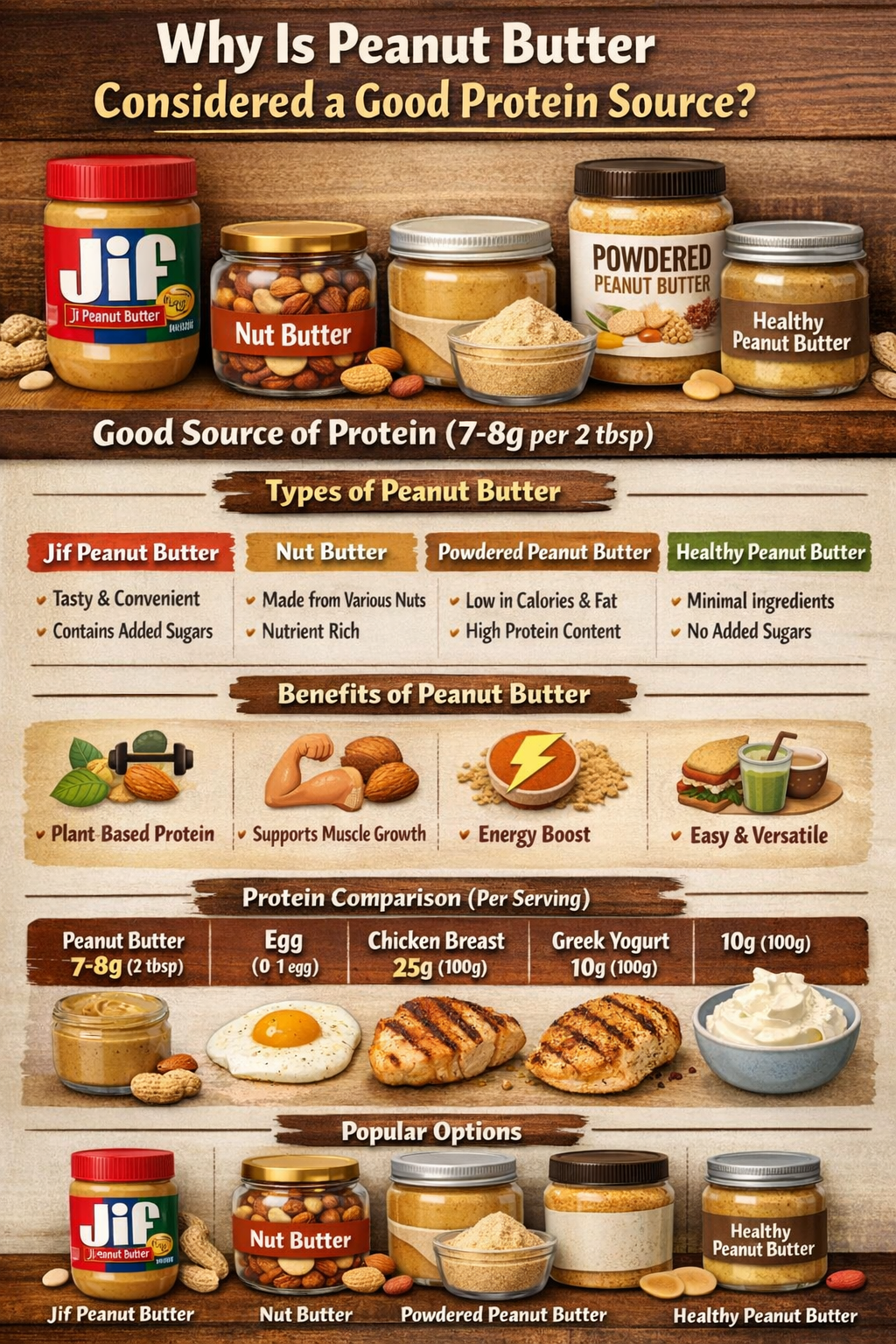
What Makes Peanut Butter a Protein-Rich Food?
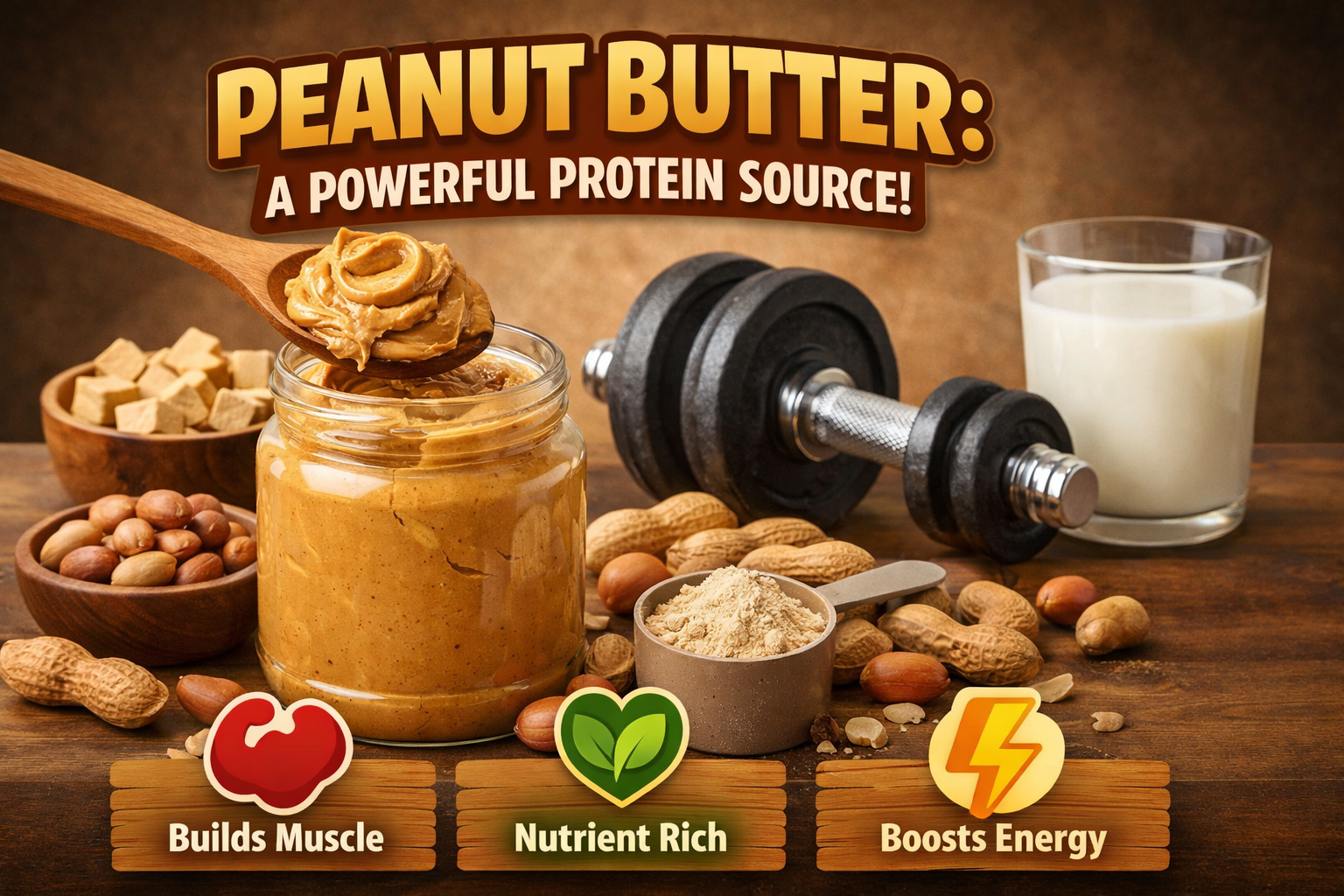
Peanut butter is made from ground peanuts, which are naturally rich in plant-based protein. On average, two tablespoons of peanut butter contain about 7–8 grams of protein. While it may not match the protein density of animal products like chicken or eggs, it is still a strong option, especially for vegetarians and vegans.
Protein is essential for:
- Muscle growth and repair
- Hormone production
- Enzyme function
- Overall body maintenance
Because peanut butter is easy to consume and versatile, it becomes a practical way to boost daily protein intake.
Nutritional Profile of Peanut Butter
In addition to protein, peanut butter offers a variety of nutrients:
- Healthy fats (monounsaturated and polyunsaturated fats)
- Fiber for digestion
- Vitamins like Vitamin E and B-complex
- Minerals such as magnesium, potassium, and phosphorus
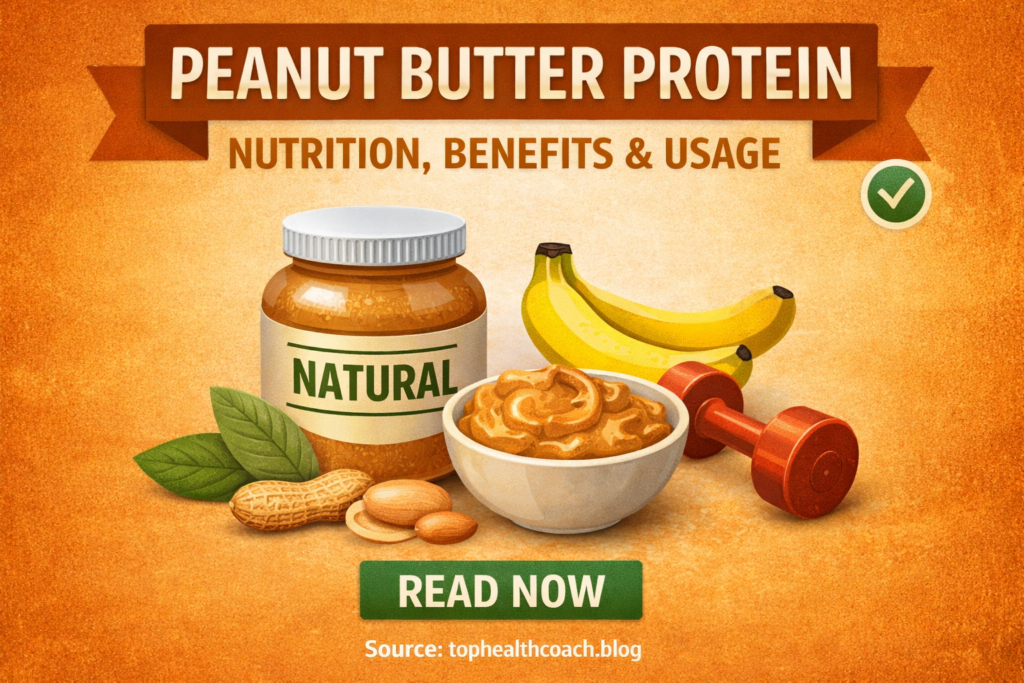
When choosing healthy peanut butter, it’s important to look for options with minimal additives—ideally just peanuts and maybe a little salt.
Types of Peanut Butter and Their Protein Value
1. Jif peanut butter
Jif peanut butter is one of the most popular commercial brands. It is known for its smooth texture and consistent taste. While it provides a similar amount of protein as natural peanut butter, it often contains added sugar, oils, and preservatives.
Pros:
- Easily available
- Great taste and texture
- Affordable
Cons:
- May include added sugars and hydrogenated oils
If you’re focused on health, it’s best to consume jif peanut butter in moderation or opt for natural variants.
2. Nut butter
The term nut butter includes a variety of spreads made from nuts like almonds, cashews, walnuts, and peanuts. Peanut butter itself is technically a type of nut butter, although peanuts are legumes.
Compared to other nut butters:
- Peanut butter has slightly higher protein than almond butter
- It is more affordable
- It has a stronger flavor
Including different types of nut butter in your diet can provide a wider range of nutrients and healthy fats.
3. Powdered peanut butter
Powdered peanut butter is made by pressing peanuts to remove most of the oil, then grinding them into a powder. This form is gaining popularity, especially among fitness enthusiasts.
Benefits:
- Lower in calories and fat
- High protein content
- Easy to mix into shakes and recipes
However, it may lack some of the healthy fats found in regular peanut butter. Still, powdered peanut butter is a great option for those looking to reduce calorie intake while maintaining protein consumption.
4. Healthy peanut butter
Healthy peanut butter refers to natural or organic varieties that contain minimal ingredients—typically just peanuts and salt. These options avoid added sugars, preservatives, and unhealthy oils.
Benefits:
- Higher nutritional value
- No unnecessary additives
- Better for long-term health
When selecting healthy peanut butter, always check the label for ingredient simplicity.
Why Peanut Butter Is a Good Protein Source
1. Plant-Based Protein
Peanut butter provides plant-based protein, making it ideal for vegetarians and vegans. While it is not a complete protein (lacking some essential amino acids), it can be paired with other foods like whole grains to form a complete protein.
2. Convenient and Accessible
Unlike many protein sources that require cooking, peanut butter is ready to eat. This convenience makes it easy to include in daily meals and snacks.
3. Supports Muscle Growth
The protein content in peanut butter helps repair and build muscle tissue, especially when combined with exercise.
4. Energy-Dense Food
Peanut butter is rich in calories and nutrients, providing sustained energy throughout the day. This makes it particularly useful for athletes and active individuals.
5. Long Shelf Life
Peanut butter has a long shelf life, making it a practical pantry item that doesn’t spoil quickly.
How to Use Peanut Butter for Maximum Benefits
Here are some healthy ways to include peanut butter in your diet:
- Spread on whole-grain toast
- Add to smoothies for protein boost
- Mix into oatmeal or yogurt
- Use as a dip for fruits like apples and bananas
- Incorporate into sauces and dressings
Using healthy peanut butter ensures you get maximum nutritional benefits without unnecessary additives.
Comparing Peanut Butter to Other Protein Sources
| Food Item | Protein (per serving) |
|---|---|
| Peanut Butter | 7–8g (2 tbsp) |
| Eggs | 6g (1 egg) |
| Chicken Breast | 25g (100g) |
| Greek Yogurt | 10g (100g) |
While peanut butter may not be the highest protein source, it stands out due to its versatility and plant-based origin.
Potential Drawbacks
Despite its benefits, peanut butter should be consumed in moderation:
- High in calories
- May contain added sugars (especially jif peanut butter)
- Not suitable for those with peanut allergies
Choosing healthy peanut butter can help minimize these drawbacks.
Final Thoughts
Peanut butter is a nutritious, versatile, and accessible source of protein. Whether you prefer traditional spreads like jif peanut butter, explore alternatives like nut butter, opt for lighter options like powdered peanut butter, or stick to healthy peanut butter, there’s a version suitable for every lifestyle.
By incorporating peanut butter into a balanced diet, you can enjoy its benefits while meeting your protein needs effectively.
FAQs
1. Is jif peanut butter healthy?
It can be part of a balanced diet, but it contains added sugar and oils, so moderation is key.
2. What is the difference between nut butter and peanut butter?
Nut butter is a general term for spreads made from nuts, while peanut butter is specifically made from peanuts.
3. Is powdered peanut butter better than regular peanut butter?
It is lower in calories and fat, but may lack some healthy fats found in regular peanut butter.
4. How do I choose healthy peanut butter?
Look for options with minimal ingredients—ideally just peanuts and salt.
5. Can peanut butter help with muscle gain?
Yes, its protein content supports muscle repair and growth when combined with exercise.
6. Is peanut butter a complete protein?
No, but it can be paired with other foods to form a complete protein.
7. Can I eat peanut butter daily?
Yes, in moderation and preferably choosing healthy peanut butter.
8. Is powdered peanut butter good for weight loss?
Yes, due to its lower calorie and fat content.
9. Are all types of nut butter equally healthy?
Not necessarily; it depends on ingredients and processing methods.
10. Which is the best type of peanut butter?
Healthy peanut butter with minimal additives is generally the best choice.