Mental health is an essential part of overall well-being. It influences how we think, feel, behave, and handle mental illness everyday challenges in life. Unfortunately, millions of people around the world experience mental health issues that affect their emotional, psychological, and social well-being. Despite growing awareness, many people still misunderstand mental illnesses and disorders, which often leads to stigma and delayed treatment.
This article will help you understand what mental illness is, the common types of mental health disorders, their causes, symptoms, and effective ways to manage them.
What is Mental Illness?
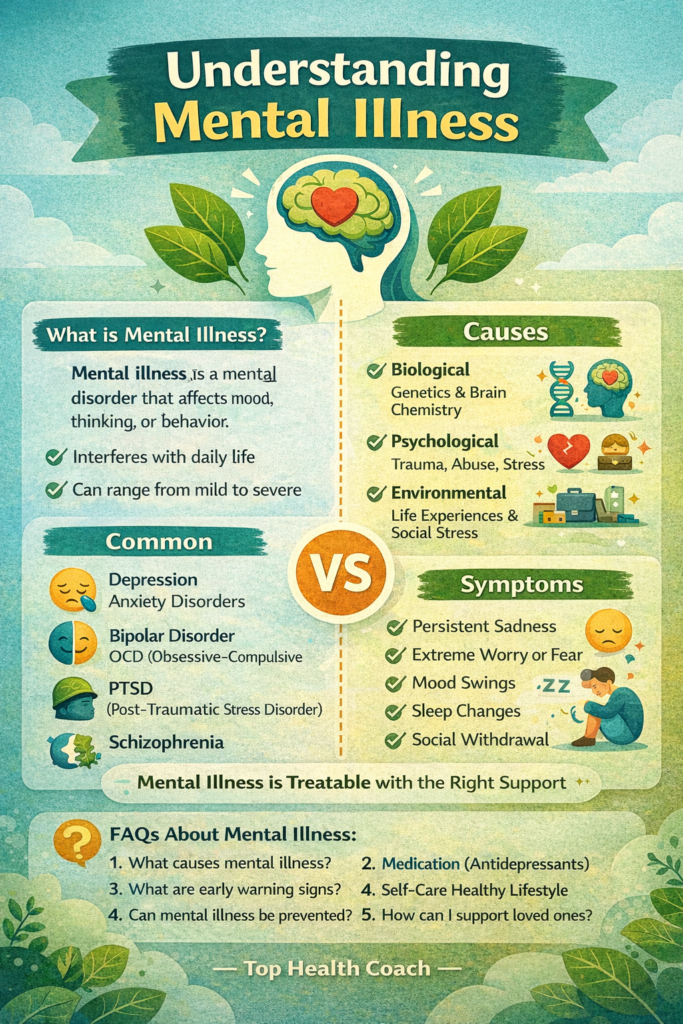
Mental illness refers to a wide range of conditions that affect a person’s mood, thinking, and behavior. These conditions are often categorized under mental health disorders and can vary from mild to severe. Some individuals may experience temporary mental health issues, while others may live with long-term conditions that require continuous care.
A mental disorder can interfere with daily activities such as work, school, and relationships. When untreated, these conditions can significantly impact a person’s quality of life.
Mental health experts classify these conditions as mental illnesses and disorders, which include depression, anxiety disorders, bipolar disorder, schizophrenia, and many others. Each condition has its own symptoms, causes, and treatments.
Many people mistakenly think that a mental disorder disease is a sign of weakness. In reality, it is a legitimate health condition that can affect anyone regardless of age, gender, or background.
The Importance of Mental Health Awareness
Raising awareness about mental health issues is crucial for reducing stigma and encouraging people to seek help. According to global health studies, millions of people experience mental health disorders, yet many do not receive proper treatment.
When society understands the seriousness of mental illnesses and disorders, it becomes easier for individuals to speak openly about their struggles and seek support. Education about mental disorder disease also helps families and communities support those affected.
Promoting mental health awareness can lead to early diagnosis, which is one of the most effective ways to manage mental disorder conditions.
Common Types of Mental Health Disorders
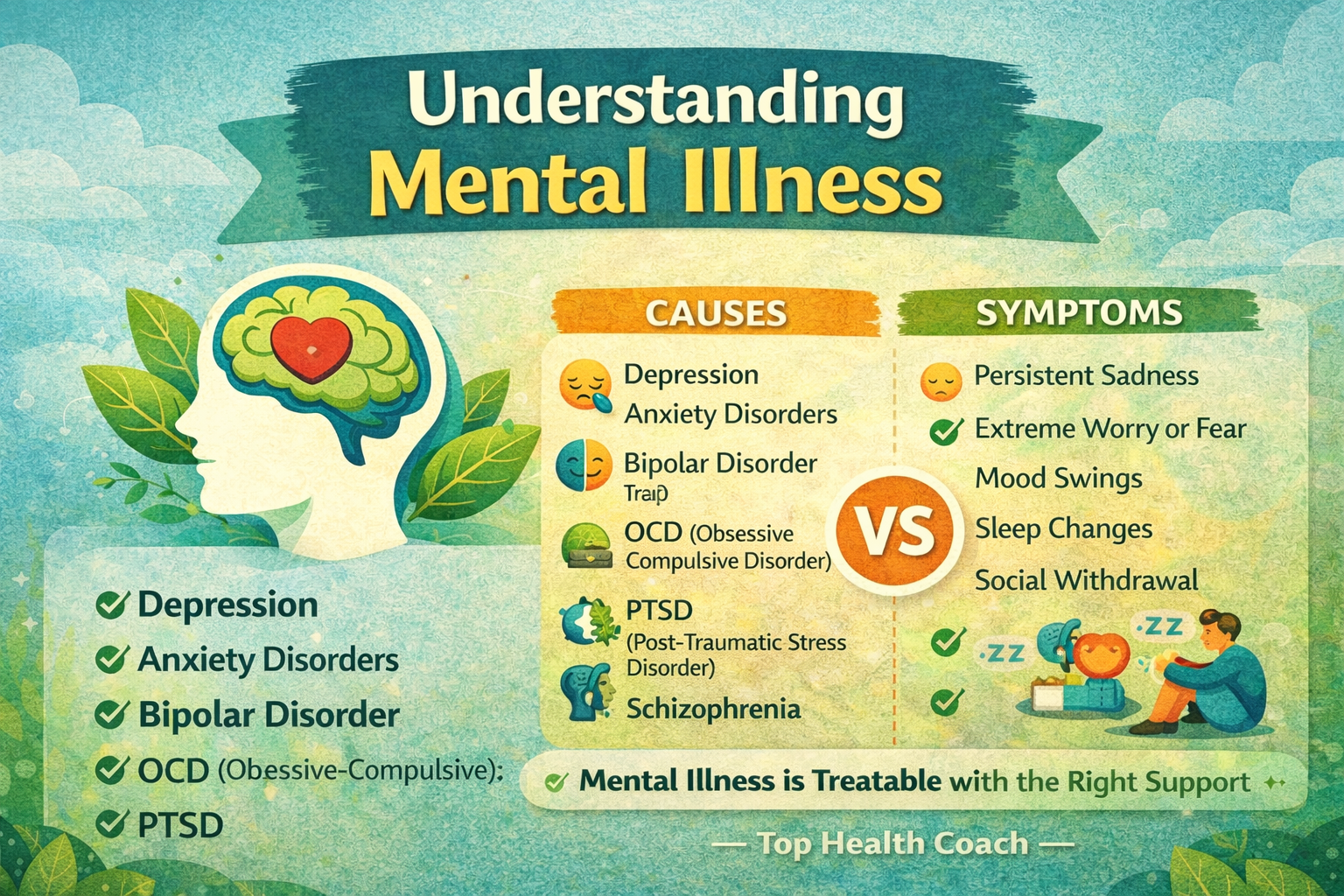
There are many types of mental health disorders, each with different symptoms and treatment approaches. Some of the most common conditions include:
1. Depression
Depression is one of the most widespread mental health issues worldwide. It causes persistent sadness, loss of interest in activities, fatigue, and difficulty concentrating. Severe depression can affect daily life and relationships.
2. Anxiety Disorders
Anxiety disorders include conditions such as generalized anxiety disorder, panic disorder, and social anxiety disorder. People with these mental illnesses and disorders often experience excessive worry, fear, and nervousness.
3. Bipolar Disorder
Bipolar disorder is a mental disorder characterized by extreme mood swings, including emotional highs (mania) and lows (depression).
4. Obsessive-Compulsive Disorder (OCD)
OCD is a mental disorder disease that involves repetitive thoughts (obsessions) and behaviors (compulsions).
5. Post-Traumatic Stress Disorder (PTSD)
PTSD can develop after experiencing or witnessing a traumatic event. It is a serious condition among mental health disorders and often involves flashbacks, nightmares, and severe anxiety.
6. Schizophrenia
Schizophrenia is a severe mental illness that affects how a person thinks, feels, and behaves. Individuals may experience hallucinations, delusions, and difficulty distinguishing reality.
Causes of Mental Illness
There is no single cause of mental illnesses and disorders. Instead, several factors contribute to the development of mental health issues.
1. Biological Factors
Genetics and brain chemistry play a significant role in many mental health disorders. Individuals with a family history of a mental disorder may have a higher risk of developing similar conditions.
2. Psychological Factors
Trauma, childhood abuse, or long-term stress can contribute to mental disorder disease development.
3. Environmental Factors
Life experiences such as financial stress, relationship problems, or work pressure can lead to serious mental health issues.
4. Lifestyle Factors
Poor sleep, substance abuse, lack of exercise, and unhealthy diet may increase the risk of developing mental illnesses and disorders.
Symptoms of Mental Illness
The symptoms of mental health disorders vary depending on the condition. However, some common signs of mental disorder include:
- Persistent sadness or mood swings
- Extreme fear or anxiety
- Social withdrawal
- Difficulty concentrating
- Changes in sleep patterns
- Sudden anger or irritability
- Loss of interest in activities
- Fatigue or lack of energy
If these symptoms continue for a long time, they may indicate serious mental health issues that require professional support.
How Mental Illness Affects Daily Life
Living with mental illnesses and disorders can significantly impact a person’s daily life. People with untreated mental disorder disease may struggle with work performance, personal relationships, and self-care.
Some individuals may experience difficulty maintaining employment due to symptoms of mental health disorders such as lack of focus, low motivation, or emotional instability.
Additionally, mental health issues can affect physical health. Stress and anxiety often contribute to problems such as headaches, heart disease, digestive issues, and weakened immunity.
Diagnosis of Mental Health Disorders
Diagnosing mental illnesses and disorders usually involves a mental health professional such as a psychologist or psychiatrist. The diagnosis process may include:
- Psychological evaluation
- Discussion about symptoms and medical history
- Behavioral observations
- Mental health assessments
Once diagnosed, the healthcare provider can determine the appropriate treatment for the specific mental disorder.
Early diagnosis is essential because untreated mental disorder disease may worsen over time.
Treatment Options for Mental Illness
Fortunately, many mental health disorders are treatable with the right approach. Treatment plans often combine therapy, medication, and lifestyle changes.
1. Psychotherapy
Psychotherapy, also known as talk therapy, helps individuals understand and manage their mental health issues. Cognitive Behavioral Therapy (CBT) is commonly used for treating many mental illnesses and disorders.
2. Medication
Certain mental disorder disease conditions require medication to manage symptoms. Antidepressants, mood stabilizers, and antipsychotic medications are commonly prescribed for mental health disorders.
3. Lifestyle Changes
Healthy habits can improve mental well-being and reduce the impact of mental disorder symptoms.
Important lifestyle strategies include:
- Regular physical exercise
- Healthy diet
- Proper sleep schedule
- Meditation and stress management
- Avoiding alcohol and drugs
4. Support Groups
Support groups help individuals connect with others experiencing similar mental health issues, providing emotional support and understanding.
Preventing Mental Health Problems
While not all mental illnesses and disorders can be prevented, certain steps can reduce the risk of developing serious mental health disorders.
Some effective prevention strategies include:
- Practicing stress management techniques
- Building strong social connections
- Maintaining a healthy lifestyle
- Seeking help early when experiencing mental health issues
- Limiting exposure to stressful environments
Awareness and early intervention are key to preventing severe mental disorder disease.
Reducing the Stigma Around Mental Illness
Stigma remains one of the biggest barriers to treating mental illnesses and disorders. Many individuals feel ashamed or afraid to talk about their mental health issues, which prevents them from seeking help.
Education and open conversations can help society understand that a mental disorder is a medical condition just like any physical illness.
Supporting people with mental health disorders can create a more compassionate and understanding community.
When to Seek Professional Help
If symptoms of mental health issues begin to interfere with daily life, it is important to seek professional help. Signs that someone may need professional support include:
- Persistent sadness or anxiety
- Thoughts of self-harm
- Severe mood changes
- Difficulty functioning in daily activities
- Withdrawal from friends and family
Mental health professionals can provide treatment and guidance for managing mental illnesses and disorders effectively.
Conclusion
Mental health plays a vital role in overall well-being, and addressing mental health issues is essential for leading a balanced and fulfilling life. Understanding different mental health disorders, recognizing symptoms, and seeking help early can significantly improve outcomes.
A mental disorder is not a sign of weakness but a medical condition that deserves attention and care. With proper treatment, therapy, and lifestyle changes, people living with mental illnesses and disorders can lead healthy and meaningful lives.
By spreading awareness about mental disorder disease, society can reduce stigma and encourage more individuals to seek the help they need.
Frequently Asked Questions (FAQs)
1. What are common mental health issues?
Common mental health issues include depression, anxiety disorders, bipolar disorder, OCD, PTSD, and schizophrenia.
2. What is the difference between mental illness and mental disorder?
Both terms are often used interchangeably. A mental disorder refers to clinically diagnosed conditions, while mental illnesses and disorders include a broad range of psychological conditions.
3. What causes mental health disorders?
Mental health disorders can be caused by genetics, trauma, stress, lifestyle factors, and environmental influences.
4. Can mental illness be cured?
Some mental disorder disease conditions can be managed effectively with treatment, therapy, and medication.
5. How can I improve my mental health?
Improving mental health involves managing stress, exercising regularly, maintaining social connections, and seeking help when experiencing mental health issues.
6. What are early signs of mental illness?
Early signs of mental illnesses and disorders include mood swings, anxiety, social withdrawal, sleep changes, and difficulty concentrating.
7. Are mental disorders genetic?
Genetics can increase the risk of developing certain mental health disorders, but environmental factors also play an important role.
8. How are mental disorders diagnosed?
Doctors diagnose a mental disorder through psychological evaluation, medical history, and mental health assessments.
9. Can lifestyle affect mental health?
Yes, lifestyle factors such as sleep, diet, exercise, and stress levels can influence mental health issues.
10. When should someone seek help for mental illness?
A person should seek help if symptoms of mental disorder disease interfere with daily life, relationships, or emotional well-being.