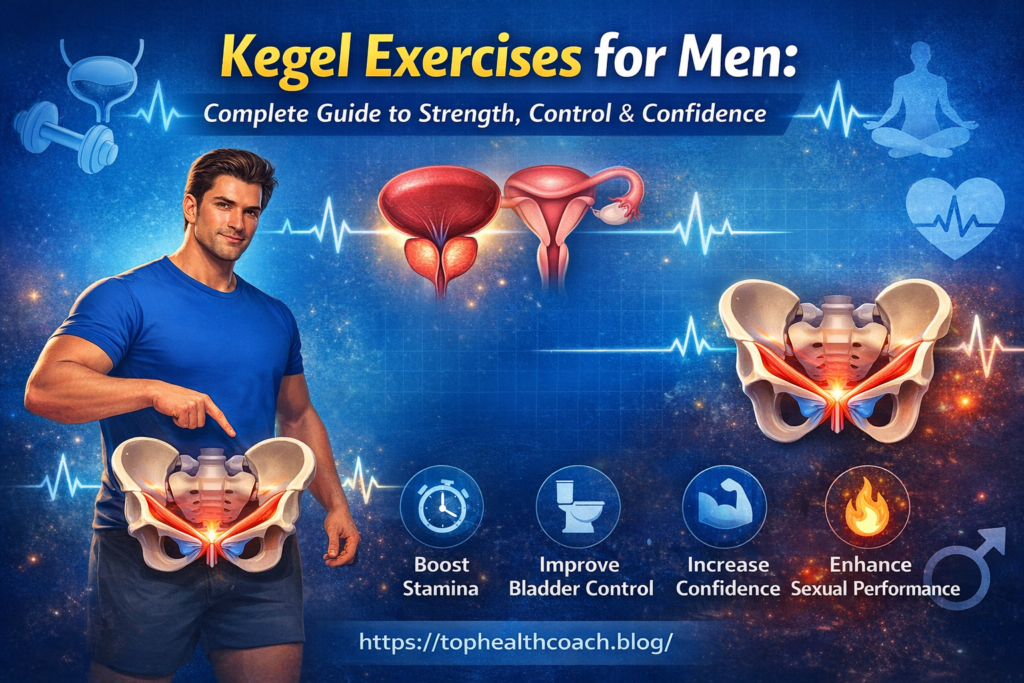
Men’s pelvic health is an important part of overall wellness, yet it is often overlooked. Whether you live in Los Angeles, California, or anywhere else, taking care of the pelvic floor can support bladder control, bowel function and sexual health. One of the simplest exercises for strengthening these muscles is the Kegel exercise.
This complete guide explains the Benefits Of Kegel Exercises, how to perform them correctly, when to practice them, what to do if you are having trouble, and how long it may take to notice results.
It also answers common questions about penis size, including Does Kegel exercise increase pennis size? and whether exercises can safely make the penis longer.
Health note: This article provides general health information and is not a substitute for an evaluation by a doctor or qualified pelvic-floor physical therapist. If you have pain, urinary problems, erectile difficulties or other persistent symptoms, speak with a healthcare professional.
What Are Kegel Exercises?
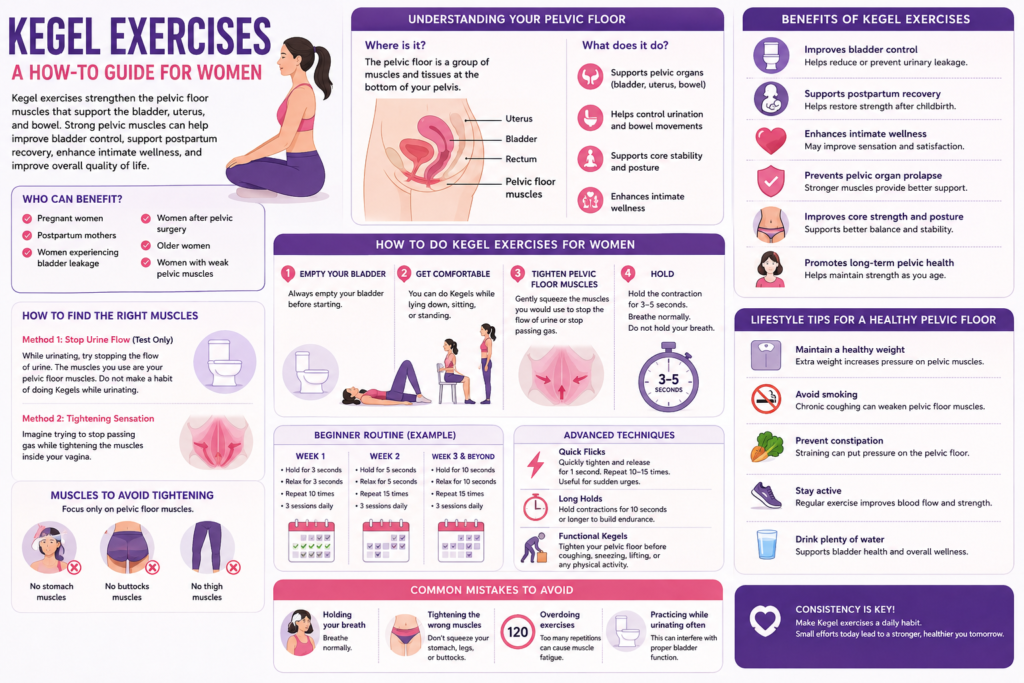
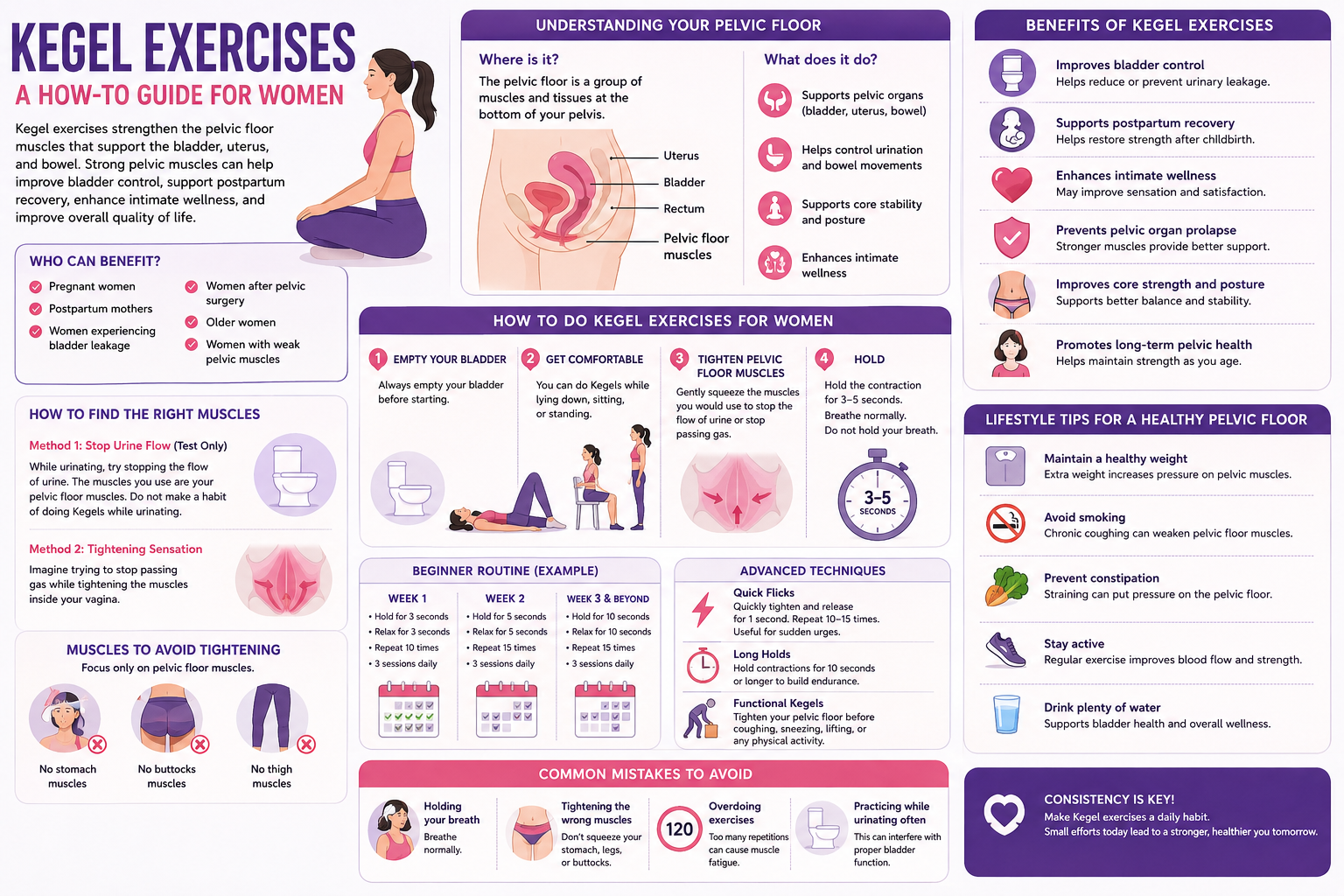
Kegel exercises are pelvic-floor muscle exercises designed to strengthen and improve control of the muscles at the bottom of the pelvis. In men, these muscles support the bladder and bowel and are also involved in sexual function.
The exercises involve deliberately contracting and relaxing the pelvic-floor muscles. Unlike exercises such as squats or push-ups, Kegels can usually be performed discreetly while sitting, standing or lying down.
For men in LA with busy schedules, this can make them particularly convenient. You can potentially incorporate a short set into your daily routine without needing a gym or special equipment.
The key, however, is proper technique. Doing hundreds of repetitions incorrectly is not necessarily better than performing a smaller number of controlled contractions correctly.
Benefits of Kegel exercises for men
There are several potential Benefits Of Kegel Exercises for men. The pelvic floor contributes to urinary control, bowel function and sexual function, so strengthening these muscles may be useful for men experiencing particular pelvic-floor problems.
1. Better bladder control
One of the most established reasons men are advised to perform pelvic-floor exercises is to improve bladder control.
Men may experience urine leakage, dribbling after urination or urgency for various reasons. Pelvic-floor training can help strengthen muscles involved in controlling urine flow.
This can be particularly important after certain prostate procedures. Mayo Clinic notes that Kegels may help men with urinary leakage and other pelvic-floor symptoms.
2. Support after prostate surgery
Some men experience urinary incontinence following prostate surgery. Pelvic-floor rehabilitation may be recommended as part of recovery.
The exact exercise program should be individualized, especially after surgery. A doctor or pelvic-floor physical therapist can help determine when to begin and how aggressively to exercise.
3. Support sexual function
The pelvic-floor muscles are involved in sexual function. Strengthening and learning to control these muscles may help some men improve aspects of sexual performance.
However, Kegels should not be promoted as a guaranteed treatment for erectile dysfunction. Erections depend on multiple factors, including blood flow, nerves, hormones, medications, psychological factors and general health.
If you regularly have difficulty getting or maintaining an erection, consider discussing it with a healthcare professional rather than relying only on exercises.
4. Better pelvic-floor muscle awareness
Kegels can teach you how to contract and relax your pelvic-floor muscles.
This awareness can be useful because some men have difficulty identifying these muscles. Learning controlled contraction and relaxation is an important part of effective pelvic-floor training.
5. Potential help with ejaculation control
Pelvic-floor strength and coordination can play a role in ejaculation control. Mayo Clinic notes that pelvic-floor exercises may help some men who have difficulty delaying ejaculation.
That does not mean Kegels are a guaranteed cure for premature ejaculation. Sexual concerns can have many causes, and treatment should be individualized.
6. Support bowel control
The pelvic floor also helps support bowel function. Strengthening these muscles may be useful for some people with pelvic-floor-related bowel-control problems.
If you have persistent bowel leakage, constipation, pelvic pain or difficulty emptying your bowels, professional assessment is recommended.
7. Convenient and equipment-free
One major advantage is convenience.
You don’t need weights, machines or a gym membership. Once you know how to correctly activate the muscles, Kegels can generally be performed discreetly in many everyday situations.
For busy Los Angeles lifestyles, a short routine can be easier to maintain than a complicated workout program.
8. Can become part of a daily health routine
Consistency is more important than trying to do an extreme number of repetitions.
You can connect Kegels with established habits such as brushing your teeth, getting ready for work or relaxing in the evening. Mayo Clinic recommends incorporating pelvic-floor exercises into regular daily routines.
How to do Kegel exercises for men
Learning the correct technique is essential. The goal is to contract the pelvic-floor muscles rather than your abdomen, thighs or buttocks.
Step 1: Identify the correct muscles
One way to recognize the pelvic-floor muscles is to imagine that you are trying to prevent yourself from passing gas.
You can also identify the muscles involved in stopping urine flow, but you should not routinely perform Kegels while urinating. Regularly interrupting your urine stream can prevent the bladder from emptying properly and may increase the risk of urinary problems.
Once you know what the muscles feel like, practice the exercise when your bladder is empty.
Step 2: Get comfortable
Beginners may find it easier to start lying down. You can later practice while sitting or standing.
Relax your stomach, thighs and buttocks.
Step 3: Contract gently
Tighten your pelvic-floor muscles as though you are trying to stop passing gas.
Hold the contraction for about three seconds, then relax for about three seconds. Mayo Clinic recommends gradually working toward 10 to 15 repetitions per set, with multiple sets throughout the day.
Step 4: Breathe normally
Do not hold your breath.
Continue breathing naturally while contracting and relaxing the muscles.
Step 5: Fully relax
The relaxation phase is just as important as the contraction.
Avoid keeping the muscles constantly clenched throughout the day. Good pelvic-floor training involves both contraction and relaxation.
Step 6: Progress gradually
As your muscles become stronger and your technique improves, you can gradually increase the duration of contractions.
There is no need to immediately perform very long contractions or hundreds of repetitions.
A simple beginner Kegel routine
A beginner-friendly routine might look like this:
Week 1:
- Identify the pelvic-floor muscles.
- Perform 5–10 gentle contractions.
- Hold each contraction for about 3 seconds.
- Relax completely between repetitions.
Week 2:
- Gradually work toward 10 repetitions.
- Continue holding for approximately 3 seconds.
- Practice once to three times per day as tolerated.
Weeks 3–4:
- Gradually increase toward 10–15 repetitions per set.
- Continue focusing on controlled contractions.
- Practice in different positions.
Mayo Clinic recommends working toward at least three sets per day and 10–15 repetitions per set for men who are appropriate candidates for Kegel training.
This is a general framework, not a prescription. Your ideal routine may differ depending on your pelvic-floor condition.
When to do your Kegels
Consistency is one of the most important parts of pelvic-floor training.
You can choose times that naturally fit your schedule. For example, you might perform a set:
- In the morning.
- During a quiet break.
- While sitting at your desk.
- After brushing your teeth.
- In the evening.
- After urinating, when the bladder has already emptied.
Mayo Clinic also suggests using pelvic-floor contractions before and during activities that increase abdominal pressure, such as coughing, sneezing, laughing or heavy lifting.
The important distinction is that Kegels should not become a habit of repeatedly stopping your urine stream.
When you’re having trouble
Not everyone performs Kegels correctly on the first attempt.
If you are squeezing your abdomen, thighs or buttocks instead of your pelvic floor, you may not be getting the intended benefit.
You may also have difficulty relaxing the pelvic floor. In some men, excessive tightening can contribute to pelvic discomfort or other symptoms. More exercise is not always better.
If you cannot identify the correct muscles, a pelvic-floor physical therapist can help.
Healthcare professionals may also use biofeedback to help patients understand whether they are contracting and relaxing the correct muscles.
Signs you should seek professional guidance
Talk with a healthcare professional if you experience:
- Pelvic or genital pain.
- Persistent urinary leakage.
- Difficulty emptying your bladder.
- Blood in your urine.
- Significant erectile difficulties.
- Persistent ejaculation problems.
- Severe constipation or bowel-control problems.
- Symptoms that become worse after starting exercises.
A personalized assessment is especially important if you have recently had prostate or pelvic surgery.
When to expect results
Kegel exercises do not produce overnight results.
Mayo Clinic states that men who practice Kegels regularly may notice improvements within a few weeks to a few months, depending on the problem being addressed.
Your results can depend on:
- Your starting muscle strength.
- How consistently you exercise.
- Whether you use the correct technique.
- Your underlying health.
- The reason you are doing Kegels.
- Whether other treatments are necessary.
Think of pelvic-floor training like other forms of exercise: gradual improvement is generally more realistic than expecting an immediate transformation.
Do Kegels increase penis size?
One of the most frequently searched questions is: Does Kegel exercise increase pennis size?
The short answer is no, Kegel exercises are not proven to permanently increase penis length or girth.
Kegels strengthen pelvic-floor muscles. They do not lengthen the penile tissues or permanently enlarge the penis.
Some men may notice differences in erection quality or control when pelvic-floor function improves. This can potentially make an erection feel firmer or appear different, but that should not be confused with permanent penis enlargement.
Cleveland Clinic notes that there are no safe, scientifically proven procedures for permanently increasing penis size, and some enlargement attempts can cause serious injury.
Therefore, be cautious about websites, supplements or online programs promising dramatic penis enlargement through exercises.
How do I increase penis size?
Many men search for ways to make the penis larger. Unfortunately, internet advertising can create unrealistic expectations.
There is no simple exercise that has been reliably shown to permanently add several inches to penis length.
Some techniques promoted online may involve aggressive stretching, weights, devices or supplements. These can carry risks, particularly when used incorrectly.
If you are concerned about penis size, a qualified urologist can provide an objective evaluation and explain what options, if any, are medically appropriate.
It is also worth remembering that penis size varies considerably. Cleveland Clinic reports an average erect length of approximately 5 to 5.5 inches, while emphasizing that normal size and appearance vary among individuals.
Healthy habits for better men’s sexual health
Kegels are only one part of men’s health.
Other lifestyle habits can support sexual and pelvic health, including:
Exercise regularly
Regular physical activity supports cardiovascular health, circulation, body composition and general well-being.
Maintain a healthy weight
Excess body weight can contribute to several health problems that may affect urinary and sexual function.
Avoid smoking
Smoking can damage blood vessels and is associated with numerous health risks. Since healthy blood flow is important for erections, quitting smoking can be an important part of men’s health.
Manage stress
Stress and anxiety can affect sexual performance and overall quality of life.
Sleep adequately
Poor sleep can negatively affect general health and may contribute to problems that influence sexual function.
Have persistent problems evaluated
If you have ongoing erection, urinary or ejaculation problems, don’t assume they are simply a normal part of aging. Penis or sexual-function problems can sometimes be associated with other health conditions. Mayo Clinic recommends paying attention to persistent penis-health problems and discussing concerns with a healthcare professional.
10 Frequently Asked Questions About Kegel Exercises and Penis Size
1. Is 7 inch big for a man?
Yes. An erect penis measuring 7 inches is above the commonly reported average. Cleveland Clinic reports an average erect penis length of approximately 5 to 5.5 inches.
However, size alone does not determine sexual satisfaction, sexual function or fertility.
2. Is it possible to enlarge penis size?
Permanent enlargement is much more complicated than many online advertisements suggest. There are no universally accepted, safe exercises that can guarantee permanent enlargement.
Some procedures or devices may have medical indications in specific circumstances, but they should only be considered with qualified medical guidance. Cleveland Clinic warns that some attempted enlargement methods can cause permanent damage.
3. Does Kegel exercise increase pennis size?
Does Kegel exercise increase pennis size? Not permanently.
Kegels strengthen the pelvic-floor muscles. They may help with pelvic-floor function and potentially aspects of sexual performance, but they are not a proven penis-enlargement exercise.
4. How do I increase my pennis size?
There is no simple, proven Kegel routine that permanently increases penis size.
If you are concerned about your size, speak with a urologist instead of using unverified pills, creams, stretching methods or aggressive exercises.
5. Is it normal to gain 5 inches when erect?
Penis size can change significantly between the flaccid and erect states. Some men have a greater difference between flaccid and erect measurements than others.
If you mean an increase of exactly five inches from your flaccid measurement to your erect measurement, that is not a standard expectation and should not be considered a typical benchmark.
6. How to increase size 2 inches?
There is no Kegel exercise proven to permanently increase penis length by two inches.
Be particularly cautious with products or websites promising rapid gains of several inches. A urologist can discuss your concerns and explain realistic options.
7. How often should men do Kegel exercises?
A commonly recommended approach is to work toward three sets per day, with approximately 10–15 repetitions per set, while maintaining good technique.
Beginners may need to start with fewer repetitions.
8. Can Kegels help with urinary leakage?
Yes. Pelvic-floor exercises can help some men improve bladder control and reduce urinary leakage, particularly when the exercises are performed correctly and consistently.
If leakage persists, medical evaluation is recommended because urinary problems can have several causes.
9. Can Kegels help erectile dysfunction?
Kegels may support pelvic-floor function and sexual function, but they should not be considered a guaranteed treatment for erectile dysfunction.
Erectile dysfunction can have vascular, hormonal, neurological, psychological or medication-related causes. Persistent symptoms deserve a professional evaluation.
10. How long does it take for Kegels to work?
Results vary. Some men may notice changes after several weeks, while others need a few months of consistent practice.
The best approach is to perform the exercises correctly and consistently rather than trying to rush the process.
Final Thoughts
The Benefits Of Kegel Exercises for men go beyond sexual health. Proper pelvic-floor training can support bladder control, pelvic muscle strength and aspects of sexual function.
For men in Los Angeles and elsewhere, Kegels are attractive because they are simple, discreet and require no gym equipment. However, correct technique matters. Start gradually, contract the appropriate muscles, relax fully between repetitions and avoid routinely stopping your urine stream.
Most importantly, remember that Kegel exercises are not a proven method for permanently increasing penis size. Searches such as Does Kegel exercise increase pennis size?, How do I increase my pennis size?, and How to increase size 2 inches? are common, but online claims about dramatic enlargement should be approached carefully.
A healthy approach to men’s wellness combines pelvic-floor exercise with regular physical activity, healthy nutrition, good sleep, stress management and appropriate medical care.
If you have persistent urinary leakage, pelvic pain, erectile difficulties, ejaculation problems or other concerns, consider speaking with a doctor or qualified pelvic-floor physical therapist. Personalized guidance can help you determine whether kegel exercises kegel exercises are appropriate for your specific situation and how to perform them safely.
Key Takeaway
Kegel exercises strengthen the pelvic floor; they do not permanently enlarge the penis. Consistent, correctly performed pelvic-floor exercises may help some men with bladder control and aspects of sexual function, while persistent symptoms should be evaluated by a healthcare professional.