Embarking on a journey toward sustainable weight management often feels like navigating a labyrinth of conflicting nutritional advice, fad diets, and restrictive eating plans. However, achieving your wellness goals does not require sacrificing your favorite dietary lifestyle or enduring constant hunger. As a dedicated wellness coach, I have seen firsthand how incorporating powerful high protein vegetarian can completely transform your health. By integrating strategic health tips and focusing on nutrient-dense plant options, you can accelerate fat loss, preserve lean muscle, and revitalize your overall vitality.
1. Introduction to Holistic Health and Weight Loss
High protein vegetarian
When people think about weight loss, they often focus exclusively on the number on the scale, starving themselves or cutting out major food groups. True, lasting wellness requires a holistic approach that views your body as an interconnected system. Physical transformation, mental clarity, and emotional resilience depend entirely on how you fuel your everyday routine.
The Foundation of Sustainable Habits
Building a lean, healthy physique starts from the ground up by establishing strong daily healthy habits. Rather than chasing quick fixes, focus on simple, consistent actions: drinking adequate water upon waking, getting morning sunlight, prioritizing mindful eating, and setting boundaries that protect your peace. When your foundational lifestyle choices are solid, healthy weight loss becomes a natural, effortless byproduct.
2. Nutritional Best Practices: Why Protein Matters
Achieving and maintaining a healthy weight does not require severe calorie restriction, which often backfires by slowing down your metabolism and triggering intense food cravings. Instead, the secret lies in optimizing your macronutrients—specifically protein.
The Thermic Effect of Protein
Protein is widely considered the ultimate macronutrient for weight management. It boasts a high thermic effect of food (TEF), meaning your body burns a significant amount of calories just digesting and processing it compared to carbohydrates or fats. Furthermore, protein stimulates key satiety hormones like peptide YY and GLP-1 while suppressing ghrelin, the hunger hormone. This naturally curbs your appetite, controls mindless snacking, and prevents overeating throughout the day.
3. Top High-Protein Vegetarian Foods for Weight Loss
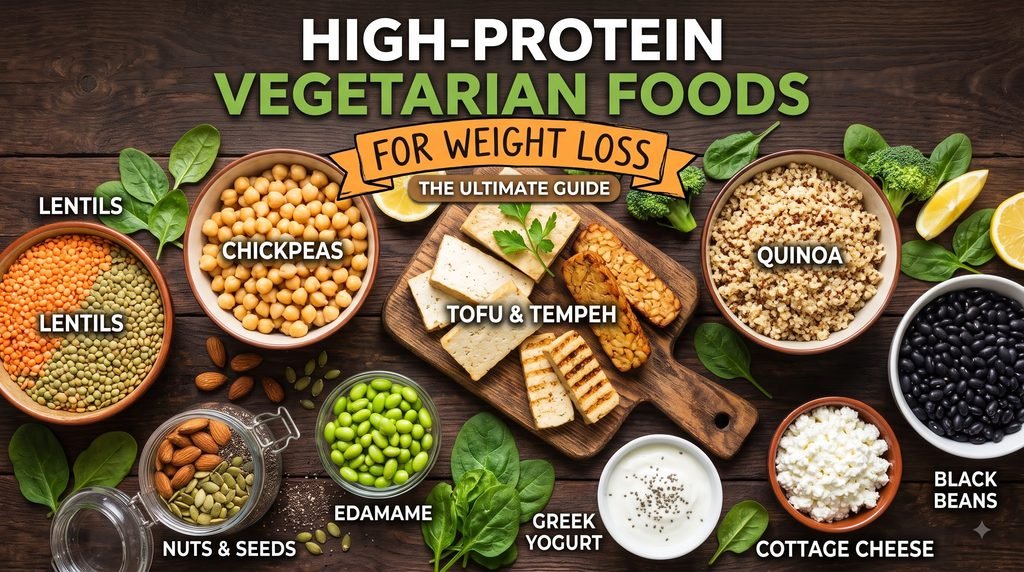
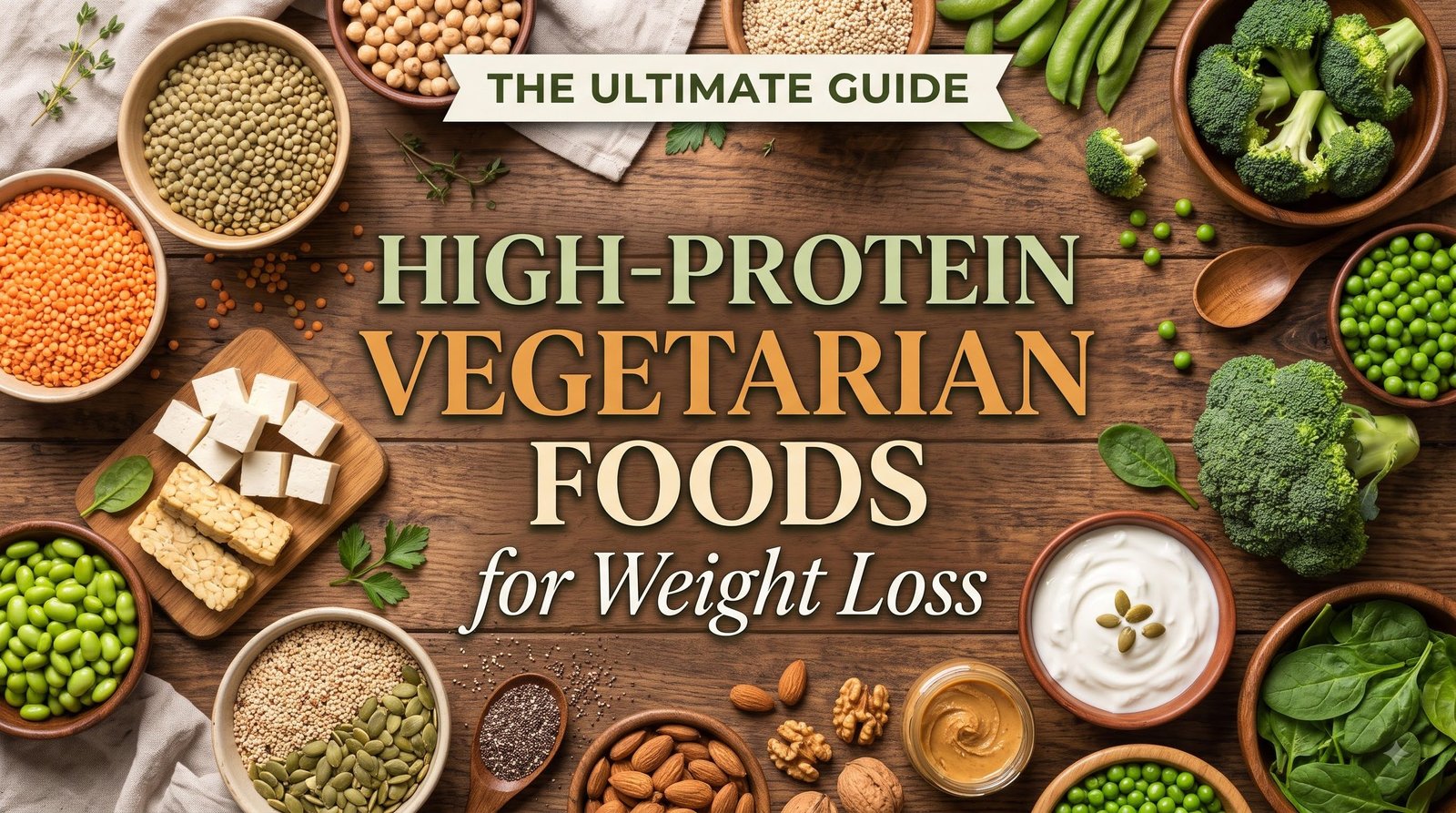
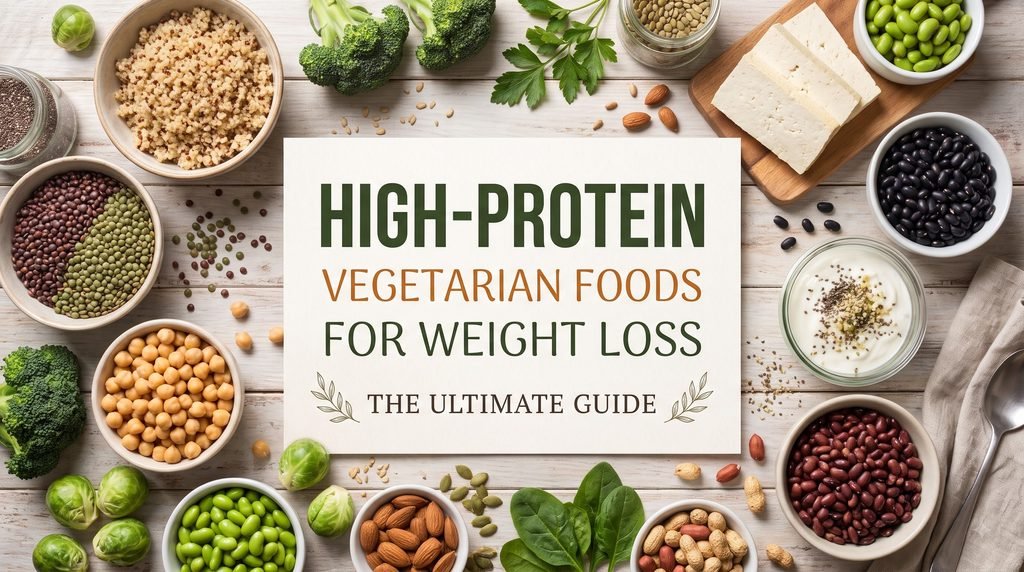
Getting enough protein on a vegetarian diet is much easier than many realize. Here are the top plant-based and lacto-vegetarian powerhouses you should integrate into your grocery cart:
- Lentils and Legumes: Packed with plant-based protein and complex carbohydrates, one cup of cooked lentils provides roughly 18 grams of protein alongside a massive dose of dietary fiber, keeping your blood sugar stable and your stomach full for hours.
- Tofu, Tempeh, and Edamame: Soy products are among the few plant sources that offer “complete protein,” containing all nine essential amino acids your body cannot manufacture on its own. Steamed edamame makes a wonderful, high-protein snack straight from the pod.
- Paneer and Cottage Cheese: For lacto-vegetarians, these dairy options are gold standards. Cottage cheese and paneer provide a rich source of slow-digesting casein protein, which feeds your muscles and prevents late-night cravings.
- Greek Yogurt: Plain, non-fat Greek yogurt packs up to 15 to 20 grams of protein per serving, making it an exceptional breakfast foundation or post-workout recovery snack.
- Quinoa and Ancient Grains: Unlike refined white rice, quinoa delivers roughly 8 grams of complete protein per cooked cup, making it a fantastic grain swap for weight loss.
- Nuts and Seeds: Hemp seeds, chia seeds, pumpkin seeds, and almonds offer concentrated bursts of protein, micronutrients, and healthy fats when sprinkled over bowls or salads.
4. Importance of Daily Physical Activity and Fitness
Nutrition is only half the battle; movement is the celebration of what your body can accomplish. Regular physical activity boosts cardiovascular health, enhances insulin sensitivity, builds metabolically active lean tissue, and releases endorphins that elevate your mood.
Designing a Sustainable Workout Routine
- Incorporate Resistance Training: Lifting weights, using resistance bands, or performing bodyweight exercises 3 to 4 times a week ensures your body burns fat rather than muscle while in a caloric deficit.
- Embrace NEAT (Non-Exercise Activity Thermogenesis): A massive portion of daily calorie burning comes from everyday movement. Take the stairs, park further away from entrances, and aim for a consistent daily step count (such as 7,000 to 10,000 steps).
- Prioritize Active Recovery: On days when you feel fatigued, swap intense workouts for gentle yoga, dynamic stretching, or a leisurely walk to keep your circulation flowing without overtaxing your nervous system.
5. Mental Wellness, Stress Management, and Restful Sleep
It is virtually impossible to out-train or out-diet a chronically stressed mind and a sleep-deprived body. When you lack sleep, cortisol (the stress hormone) spikes, ghrelin increases, and leptin plummets—driving intense cravings for sugary, high-calorie foods the next day.
Cultivating Mindful Resilience
- Practice Mindfulness: Dedicate 5 to 10 minutes each morning or evening to deep diaphragmatic breathing or meditation to lower systemic inflammation.
- Establish a Digital Sunset: Screen light disrupts natural melatonin production. Turn off phones, tablets, and computers at least an hour before bed to protect your deep sleep cycles.
- Optimize Sleep Hygiene: Keep your bedroom cool, dark, and quiet while maintaining a consistent sleep schedule to align with your body’s circadian rhythm.
6. Final Thoughts
Transforming your body and health is not about achieving an overnight miracle; it is about falling in love with the process of caring for yourself every day. By fueling your body with high-protein vegetarian foods, moving with joy, honoring your need for rest, and practicing self-compassion, you build a lifestyle that sustains wellness effortlessly. Start where you are, and enjoy the incredible journey ahead.
Frequently Asked Questions (FAQs)
- Can I build muscle and lose weight simultaneously on a vegetarian diet?Yes, by maintaining a moderate caloric deficit, consuming adequate high-protein vegetarian foods like tofu, lentils, and Greek yogurt, and incorporating consistent resistance training, you can build lean muscle while dropping fat.
- What are the best complete plant-based proteins?Soy products (such as tofu, tempeh, and edamame) and ancient grains like quinoa are among the few plant sources that provide all nine essential amino acids naturally.
- How much protein do I need daily for weight loss?While individual needs vary based on activity level and body composition, a common guideline for active individuals aiming for weight loss is approximately 0.8 to 1.2 grams of protein per pound of lean body mass.
- Will eating beans and lentils cause digestive discomfort?Because legumes and beans are exceptionally rich in fiber, introducing them too quickly can cause bloating. Increase your intake gradually and drink plenty of water to help your digestive tract adjust smoothly.
- Is dairy necessary on a high-protein vegetarian weight loss diet?No, dairy is not mandatory. Vegans can easily meet their protein goals using soy foods, seitan, hemp seeds, lentils, chickpeas, and nutritional yeast.
- How does protein help control food cravings?Protein takes longer to digest than carbohydrates, slowing gastric emptying and stimulating satiety hormones while suppressing ghrelin, which naturally keeps hunger signals under control.
- Can I eat nuts and seeds freely when trying to lose weight?While nuts and seeds are wonderful sources of protein and healthy fats, they are also calorie-dense. Portion control is vital to ensure you stay within your daily caloric target for weight loss.
- How many steps a day should I aim for alongside my workouts?Aiming for a baseline of 7,000 to 10,000 steps per day significantly boosts your Non-Exercise Activity Thermogenesis (NEAT), supporting long-term fat loss without requiring extra gym time.
- What is the best time to consume protein?Distributing your protein intake evenly across all your daily meals and snacks helps maximize muscle protein synthesis and keeps your energy levels stable throughout the day.
- What should I look out for when buying processed vegetarian foods?Many commercial “fake meats” or vegetarian convenience foods are loaded with excessive sodium, added sugars, and chemical preservatives. Prioritize whole, natural plant foods whenever possible.
Disclaimer: The information provided in this blog post is for educational and informational purposes only and is not intended as medical advice. Always consult with a qualified healthcare professional, physician, or registered dietitian before making significant changes to your diet, exercise routine, or weight loss regimen, especially if you have underlying health conditions.