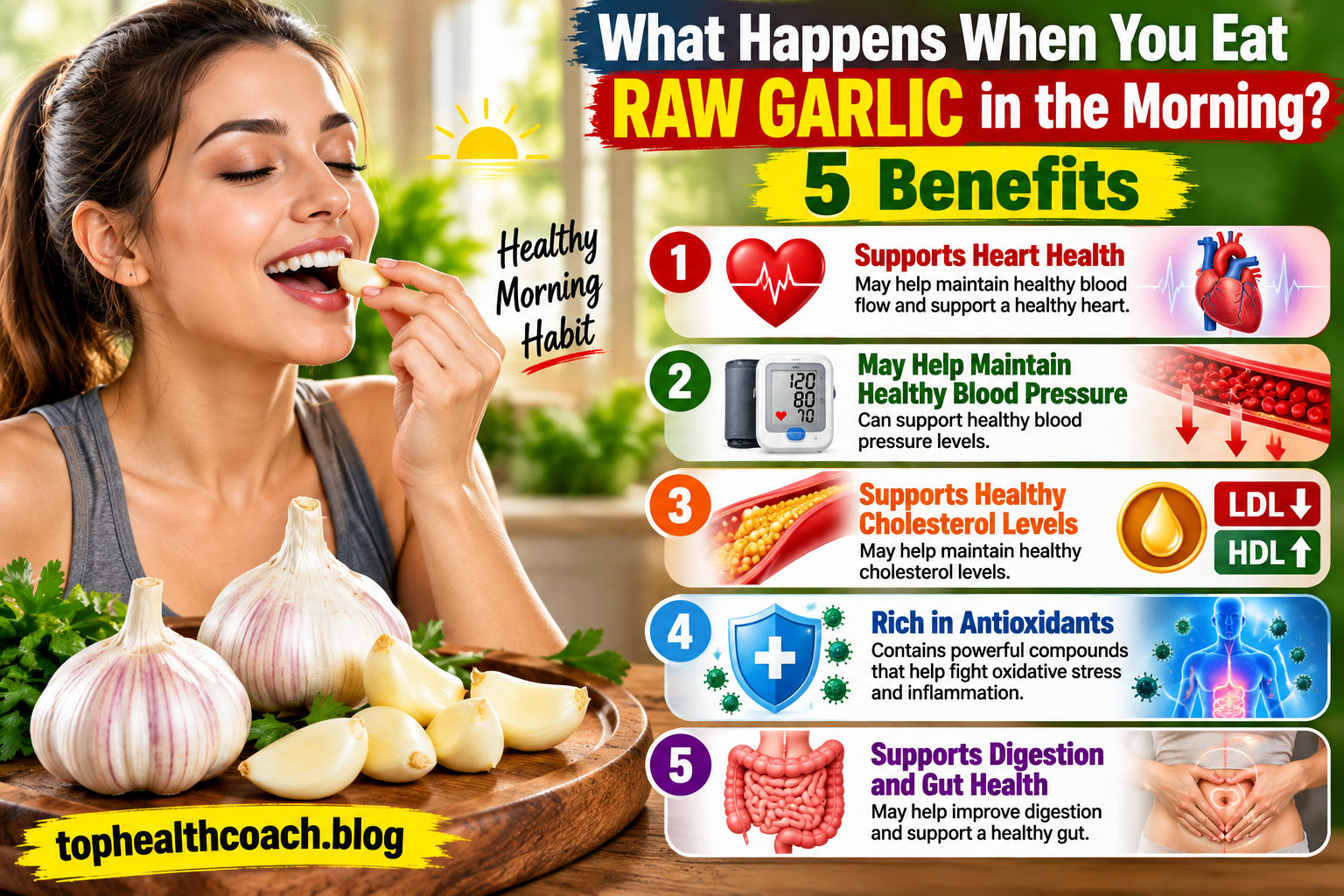
Eating a small amount of garlic in the morning is a traditional wellness practice in many cultures. Some people eat raw garlic on an empty stomach because they believe it can support digestion, immunity, heart health, and weight management.
But what does science actually say about eating raw garlic in the morning?
Garlic contains sulfur-containing compounds, including allicin, that have been studied for their potential effects on cardiovascular and metabolic health. Research suggests that garlic preparations may modestly improve some cardiovascular risk factors, including blood pressure and cholesterol. However, most clinical research has studied garlic supplements or garlic preparations, rather than specifically eating a raw clove first thing in the morning.
So, while raw garlic benefits may be real in some areas, it should not be considered a miracle food or a replacement for medical treatment.
Here are five potential benefits and what you should know before making raw garlic part of your morning routine.
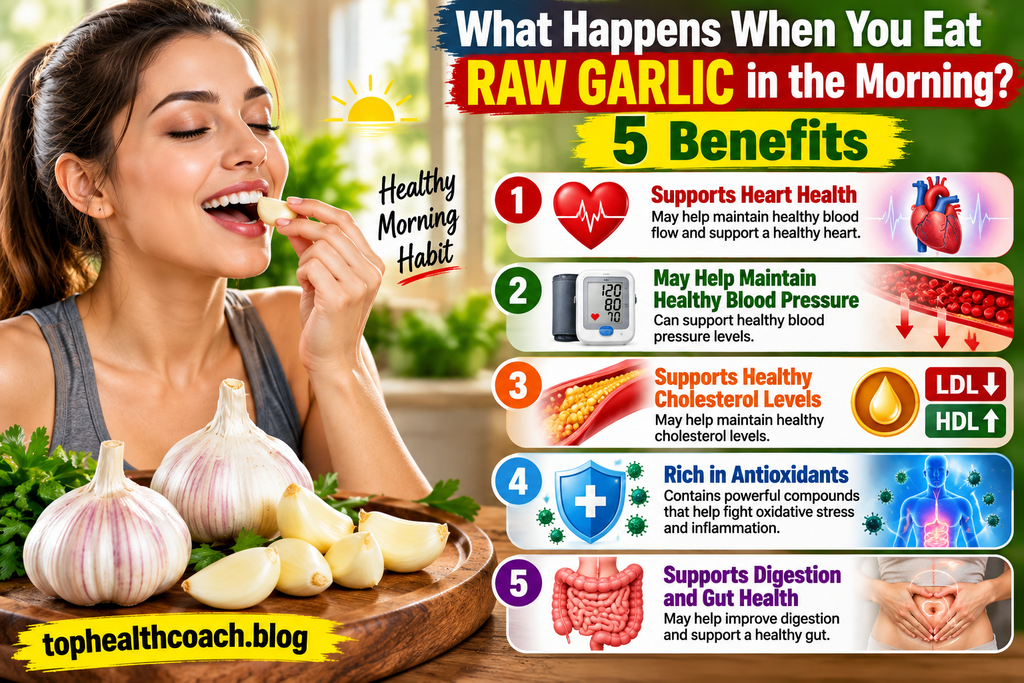
1. Raw Garlic May Support Heart Health ❤️
One of the most researched areas involving garlic is heart health.
Garlic contains biologically active sulfur compounds that researchers have investigated for their effects on cardiovascular risk factors. Reviews and meta-analyses have reported potential improvements in measures such as cholesterol and blood pressure, although results vary depending on the form of garlic, dose, duration, and population studied.
A 2026 systematic review and meta-analysis of 108 randomized controlled trials involving 7,137 participants found that garlic supplementation was associated with modest improvements in several cardiovascular and metabolic markers, including total cholesterol, LDL cholesterol, triglycerides, and blood pressure. Importantly, the study did not find a significant effect on body weight or BMI.
This means that adding garlic to a balanced diet may be one small part of a heart-healthy eating pattern.
Does eating garlic in the morning make it more effective?
There isn’t strong clinical evidence showing that garlic works better specifically in the morning or on an empty stomach.
The important factor is your overall dietary pattern rather than a particular time of day.
2. It May Help Support Healthy Blood Pressure 🩺
Another widely researched garlic health benefit is its possible effect on blood pressure.
Several systematic reviews have found that garlic preparations may produce modest reductions in blood pressure, particularly among people who already have high blood pressure. The evidence is stronger for some standardized garlic preparations than for simply eating one raw garlic clove.
The most recent 2026 meta-analysis found average reductions in systolic and diastolic blood pressure among participants taking garlic interventions, although the researchers emphasized that more research is needed.
If you have hypertension, don’t replace prescribed medication with raw garlic for blood pressure. Garlic may be part of a healthy diet, but it isn’t a substitute for treatment prescribed by your healthcare professional.
3. Garlic May Support Healthy Cholesterol Levels 💚
Research into garlic and cholesterol has produced some encouraging findings.
The National Center for Complementary and Integrative Health (NCCIH) notes that garlic supplements may reduce total cholesterol and LDL cholesterol by a small amount in people with high cholesterol.
The 2026 meta-analysis of randomized controlled trials also reported improvements in total cholesterol, LDL cholesterol, and triglycerides among people consuming garlic interventions.
However, this doesn’t mean that eating raw garlic every morning will automatically lower your cholesterol.
Garlic should be viewed as a food that can complement an overall healthy lifestyle that includes:
- Vegetables and fruits
- Whole grains
- Beans and legumes
- Nuts and seeds
- Healthy sources of protein
- Regular physical activity
- Adequate sleep
If your cholesterol is high, regular medical monitoring remains important.
4. Garlic Provides Antioxidant and Anti-Inflammatory Compounds 🧄
Garlic contains sulfur compounds and other bioactive substances that have antioxidant properties.
Oxidative stress occurs when there is an imbalance between potentially damaging molecules and the body’s antioxidant defenses. Researchers have investigated whether garlic compounds can influence markers associated with oxidative stress and inflammation.
The 2026 meta-analysis reported improvements in some oxidative-stress and inflammatory biomarkers among participants receiving garlic interventions.
This is one reason garlic benefits for health continue to be studied.
However, it’s important not to overstate these findings. Improving a laboratory biomarker does not necessarily mean that a person will experience a specific disease-prevention benefit.
A diet rich in a variety of plant foods is a better long-term strategy than relying on one ingredient.
5. Garlic May Support Overall Wellness and Immune Function 🛡️
Garlic is often promoted as a natural immune-boosting food, especially during cold and flu season.
There is some research into garlic and immune function, but according to NCCIH, the evidence remains limited. A 2022 review identified only two studies suggesting a possible benefit for respiratory infections, and both studies had small sample sizes and other limitations.
Therefore, it’s more accurate to say that garlic contains compounds being studied for potential immune-related effects rather than claiming that raw garlic prevents colds or boosts immunity.
Good sleep, adequate nutrition, physical activity, vaccination where recommended, hand hygiene, and appropriate medical care remain much more important components of overall health.
What Happens When You Eat Raw Garlic on an Empty Stomach?
This is where many online health claims become exaggerated.
Some websites claim that eating raw garlic on an empty stomach dramatically increases its benefits, “detoxifies” the body, burns belly fat, or prevents disease.
There isn’t strong human evidence establishing these claims.
Raw garlic can actually be more irritating than cooked garlic for some people. NCCIH lists possible side effects including:
- Heartburn
- Upset stomach
- Garlic breath
- Body odor
- Allergic reactions
These effects can be more noticeable with raw garlic.
If you notice stomach discomfort after eating raw garlic first thing in the morning, there is no need to force the habit. You can incorporate garlic into meals instead.
How Much Raw Garlic Should You Eat?
There is no universally established medical recommendation that everyone should eat a raw garlic clove every morning.
Garlic is generally considered safe in the amounts commonly consumed as food. However, concentrated garlic supplements can have different effects and interactions.
If you want to include garlic in your diet, a practical approach is to use it as a flavorful ingredient in meals rather than treating it like medicine.
For example, you can add garlic to:
🥗 Salads
🍲 Soups
🥦 Roasted vegetables
🍳 Eggs
🍛 Lentils and beans
🐟 Fish or lean protein dishes
🥣 Homemade sauces and dressings
This allows you to enjoy garlic as part of a balanced diet.
Raw Garlic and Weight Loss: Does It Burn Fat? 🔥
This is one of the most common searches related to raw garlic for weight loss.
The short answer is: garlic should not be considered a fat-burning food.
The 2026 meta-analysis found that garlic supplementation did not significantly affect body weight or BMI.
That means eating raw garlic every morning shouldn’t be presented as a proven way to lose belly fat.
If your goal is weight loss, focus instead on sustainable habits such as:
- Eating appropriate portions
- Getting enough protein
- Increasing vegetables and fiber
- Limiting highly processed foods
- Drinking water instead of sugary beverages
- Walking and exercising regularly
- Getting adequate sleep
- Maintaining a sustainable calorie deficit when appropriate
Garlic can be included in this type of eating pattern, but it isn’t the main driver of fat loss.
Raw Garlic vs Cooked Garlic
Both raw and cooked garlic can be part of a healthy diet.
Raw garlic has a stronger flavor and may contain more of certain heat-sensitive compounds, while cooking changes garlic’s chemical composition.
However, you don’t need to eat raw garlic to have a healthy diet.
If raw garlic causes heartburn, stomach pain, nausea, or digestive discomfort, using cooked garlic may be a more comfortable option.
The goal should be a sustainable diet rather than forcing yourself to eat something that makes you feel unwell.
Who Should Be Careful With Raw Garlic?
Although garlic is commonly eaten as food, certain people should discuss concentrated garlic use with a healthcare professional.
Garlic may increase bleeding risk, which can be particularly important for people taking anticoagulant or antiplatelet medications or those preparing for surgery. Garlic can also interact with certain medicines.
Talk with your healthcare professional before using large amounts of garlic or garlic supplements if you:
- Take blood-thinning medication
- Have a bleeding disorder
- Are preparing for surgery
- Take multiple prescription medicines
- Have significant digestive problems
- Have an allergy to garlic or related foods
Also remember that garlic supplements are not the same as eating garlic as a food. Supplements can deliver substantially different amounts of active compounds.
Frequently Asked Questions
Is eating raw garlic in the morning good for you?
Eating raw garlic can be part of a healthy diet, and research suggests garlic may have modest cardiovascular benefits. However, there is no strong evidence that eating it specifically in the morning or on an empty stomach provides special health benefits.
What are the main benefits of raw garlic?
Potential raw garlic benefits include supporting cardiovascular health, potentially improving some cholesterol and blood-pressure measures, and providing bioactive antioxidant compounds. Evidence varies by garlic preparation and health outcome.
Can raw garlic reduce belly fat?
There is no good evidence that raw garlic burns belly fat. The 2026 meta-analysis found no significant effect of garlic interventions on body weight or BMI.
Can I eat raw garlic every day?
Garlic can generally be eaten regularly as part of a normal diet. However, raw garlic can cause heartburn, stomach upset, and other side effects in some people.
Is raw garlic better than cooked garlic?
Not necessarily. Raw garlic and cooked garlic can both fit into a healthy eating pattern. If raw garlic causes digestive discomfort, cooked garlic may be easier to tolerate.
Does garlic lower blood pressure?
Research on garlic preparations suggests modest blood-pressure reductions, particularly in some people with hypertension. However, garlic should not replace prescribed blood-pressure medication.
Does garlic lower cholesterol?
Garlic supplements may modestly reduce total and LDL cholesterol in people with elevated cholesterol, according to NCCIH. The effect should not be considered a replacement for cholesterol-lowering treatment when treatment is medically indicated.
Final Takeaway
So, what happens when you eat raw garlic in the morning?
You consume a nutrient-rich food containing bioactive sulfur compounds that have been extensively studied for potential health effects. Research suggests that garlic may support heart health, healthy blood pressure, and healthy cholesterol levels, while its antioxidant and immune-related effects continue to be investigated.
But the popular idea that eating raw garlic on an empty stomach is a powerful detox, guaranteed weight-loss method, or cure for disease isn’t supported by strong evidence.
For most people, the best approach is simple: enjoy garlic as part of a balanced diet, listen to your body, and avoid excessive amounts if they cause digestive problems.
Garlic can be a healthy ingredient—but it doesn’t replace a healthy lifestyle or medical care.
Medical note: This article is for general educational purposes and isn’t a substitute for individualized medical advice. If you take medication, have a medical condition, or are considering concentrated garlic supplements, consult a qualified healthcare professional.